No products in the cart.
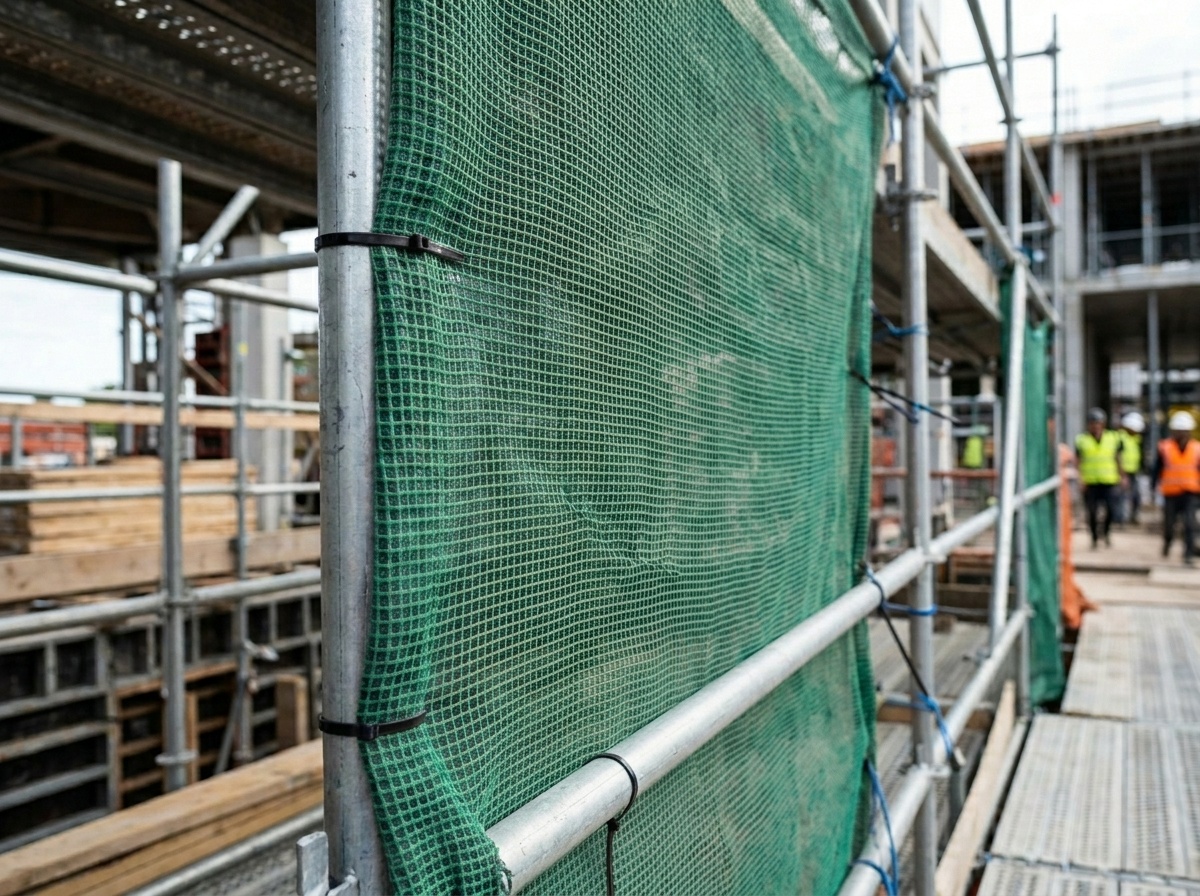
Construction net GSM is one of the most important technical factors influencing safety, durability, and compliance in Kenya’s rapidly growing construction industry. As cities such as Nairobi, Mombasa, Kisumu, and Eldoret continue to expand vertically and horizontally, the demand for reliable scaffolding containment systems has increased significantly.
Falling tools, construction debris, dust, and structural materials pose serious risks on active sites. For this reason, selecting the correct construction net GSM is now part of regulatory compliance, not just a procurement decision.
Leading suppliers such as Cougar Nets provide certified scaffolding containment systems designed for different construction net GSM ratings, ensuring safety compliance and durability across East Africa.
To explore available solutions, visit:
Shop Construction Safety Nets
What is Construction Net GSM in Construction Safety Systems?
It refers to the weight of the net per square meter. This determines the physical strength, tear resistance, and durability of the material.
Key performance factors influenced by construction net GSM:
- Impact resistance against falling tools
- Wind load handling on scaffolding
- UV resistance under harsh sunlight
- Long-term durability in outdoor environments
Higher GSM means stronger structural performance, while lower GSM means lighter handling but reduced protection.
Why Construction Net GSM Matters in Kenyan Construction Projects
Construction safety in Kenya is governed by strict occupational and municipal regulations, especially in urban centers.
Construction net GSM affects:
- Worker safety on elevated scaffolding
- Public safety near construction zones
- Project insurance compliance
- County inspection approvals
In Nairobi CBD and Upper Hill, inspectors increasingly require heavy duty debris nets for approval of high-rise scaffolding systems.
Understanding 150 GSM Construction Net GSM
150 GSM construction net GSM is a light-to-medium duty solution used in general construction environments.
Common applications:
- Residential housing projects
- Small commercial buildings
- Temporary scaffolding protection
- Light debris and dust control
Advantages:
- Affordable cost for contractors
- Easy installation and handling
- Flexible for temporary projects
Limitations:
- Not suitable for high-rise construction
- Limited impact resistance
- Shorter lifespan under UV exposure
Real-world usage in Kenya:
In regions like Kisumu, Nakuru, and Eldoret, 150 GSM nets are widely used due to lower building heights and reduced risk exposure.
You can view related protective materials here:
Hardware & Construction Supplies
Understanding 300+ GSM Heavy Duty Construction Net GSM
300+ GSM construction net represents industrial-grade scaffolding containment designed for high-risk environments.
Common applications:
- High-rise buildings in Nairobi
- Bridge and highway construction
- Industrial warehouses
- Dense urban scaffolding systems
Advantages:
- Maximum debris containment
- High wind resistance
- Long lifespan (3–5+ years)
- Strong UV protection
- Better compliance with safety audits
Limitations:
- Higher cost
- Heavier installation requirements
For demanding construction environments, this is the recommended standard in urban Kenya.
Construction Net GSM Comparison (150 vs 300+)
| Feature | 150 GSM Construction Net GSM | 300+ GSM Construction Net GSM |
|---|---|---|
| Strength | Medium | Very High |
| Application | Residential | High-rise & industrial |
| Debris Protection | Basic | Maximum |
| Wind Resistance | Moderate | High |
| Lifespan | 1–2 years | 3–5+ years |
| Safety Level | Basic | Advanced |
| Nairobi Suitability | Limited | Recommended |
Falling Object Protection and Construction Net GSM
One of the primary functions of construction net GSM is preventing falling object accidents.
Common hazards include:
- Dropped tools
- Concrete debris
- Metal fittings
- Loose scaffolding materials
300+ GSM nets provide superior energy absorption, reducing penetration risk and improving overall site safety.
This is especially important in Nairobi, where construction sites are often adjacent to pedestrian walkways and commercial zones.
Construction Net GSM and Safety Compliance in Kenya
Kenyan construction regulations emphasize site containment and worker protection.
- Compliance with county safety inspections
- Reduced workplace accident risks
- Lower legal liability for contractors
- Improved project approval speed
Non-compliant scaffolding systems may be flagged during inspections or result in project delays.
For compliance support, contractors often consult Cougar Nets directly.
How to Choose the Right Construction Net GSM
Choose 150 GSM construction net GSM if:
- Project is low-rise
- Budget is limited
- Only light debris containment is needed
Choose 300+ GSM construction net GSM if:
- Working on high-rise buildings
- Site is in Nairobi or dense urban areas
- Heavy tools and materials are present
- Maximum safety compliance is required
Environmental Conditions Affecting Construction Net GSM in Kenya
Kenya’s climate significantly affects netting performance:
- High UV exposure in Nairobi and Rift Valley
- Coastal humidity in Mombasa
- Strong wind zones in open infrastructure areas
This is why 300+ GSM nets perform better in long-term exposed environments.
Related protective systems can also be found here:
Home & Garden Protection Nets
Real-World Applications Across East Africa
- Nairobi: High-rise commercial towers require 300+ GSM nets
- Mombasa: Coastal corrosion and humidity require UV-resistant nets
- Kisumu: Residential developments mostly use 150 GSM
- Eldoret: Mixed-use developments use both depending on height
Cost Considerations of Construction Net GSM
Pricing depends on:
- GSM weight
- UV treatment quality
- Material density
- Project size
General market trend:
- 150 GSM → Low cost, short lifespan
- 300+ GSM → Higher cost, long-term durability
Despite higher upfront cost, 300+ GSM reduces replacement frequency and improves compliance.
Construction Safety Systems
Explore related solutions:
FAQ About Construction Net GSM
1. What is construction net GSM?
Construction net GSM refers to the weight per square meter of safety netting used in scaffolding systems, determining strength and durability.
2. Is 150 GSM construction net GSM safe?
Yes, but only for low-rise and light construction projects. It is not suitable for high-rise buildings.
3. When should I use 300+ GSM construction net GSM?
For high-rise buildings, infrastructure projects, and high-risk scaffolding environments requiring maximum protection.
4. Which construction net is best for Nairobi?
300+ GSM is recommended due to dense urban construction and strict safety regulations.
5. How long does 300+ GSM last?
Typically 3–5 years depending on UV exposure and environmental conditions.
6. Can 150 GSM be used in urban areas?
It is not recommended for high-rise or high-risk urban construction environments.
7. Does GSM affect compliance?
Yes, incorrect GSM selection can lead to inspection failure or safety non-compliance.
Call To Action
Get Your Premium Netting Solutions Today! For the best quality netting solutions for farming, construction, home, or any other project, look no further than Cougar Nets. Our team of experts is ready to help you choose the perfect product for your needs.
NATIONWIDE & EAST AFRICA DELIVERY AVAILABLE
Premium quality nets for all applications
Professional installation and expert advice
Bulk orders and custom solutions available
Serving Kenya (Nairobi, Eldoret, Kisumu), Uganda, Tanzania, Rwanda, South Sudan, Ethiopia and beyond.
Contact Us for a Quote:
Cougar Nets
Email: sales@cougarnets.com | info@cougarnets.com
Phone: +254 706 903 465
Visit Us: Darosa Plaza, Karen Rd, Nairobi
Website: https://cougarnets.co.ke/