No products in the cart.

Introduction
Healthy chickens start with reliable access to clean feed and water. Whether you’re managing a small backyard flock near Nairobi or a commercial farm near Eldoret or Kisumu, choosing the right feeders and drinkers is critical. Poultry feeding and watering equipment affects feed conversion ratios, flock health, sanitation, and labor efficiency. In this guide, we’ll walk through the types of feeders and drinkers available, how to select the best options for your farm, and practical installation and management tips to keep your birds thriving.
H2: Why Feeders and Drinkers Matter for Poultry Health
Feed and water represent the two most essential inputs in poultry farming. Poorly designed or inappropriate equipment can lead to:
-
Feed wastage, increasing operating costs
-
Water contamination, a major vector for disease
-
Uneven growth, due to inconsistent access
-
Pen crowding, stress, and aggression
Choosing feeders and drinkers that match your flock size, environment, and management style prevents these issues and promotes optimal growth rates, improved egg production, and reduced mortality.
H2: Types of Poultry Feeders
1) Gravity Feeders
Best for: Small to medium flocks, low‑cost setups.
How they work: Gravity feed systems rely on simple bins or troughs where feed flows down as birds eat. They are inexpensive and easy to set up but can allow spillage if not properly sized.
Pros
-
Affordable
-
Easy to maintain
-
No moving parts
Cons
-
Higher feed wastage if overfilled
-
Not ideal for large flocks
2) Pan and Trough Feeders
Best for: Growing flocks where feed conservation matters.
Pan feeders sit on the ground or at low stands; troughs can be elevated. Both reduce spillage relative to open bins.
Pros
-
Lower feed waste than gravity bins
-
Good for starter and grower phases
Cons
-
Require cleaning to prevent mold buildup
-
Can be knocked over in open pens
3) Automatic Feeders
Best for: Large and commercial operations.
Automatic feeders dispense feed at scheduled times or as birds consume it. They reduce labor and support uniform growth.
Pros
-
Efficient feed distribution
-
Minimal labor after setup
-
Precise rationing
Cons
-
Higher upfront cost
-
More parts to maintain
H2: Types of Poultry Drinkers
1) Manual Nipple Drinkers
Best for: Clean water delivery with minimal waste.
Nipple drinkers provide water on demand when a chicken pecks a valve. These systems keep water clean and reduce spillage.
Pros
-
Very low contamination risk
-
Reduces wet litter
-
Good for all flock sizes
Cons
-
Requires pressure or elevated tank
-
Slight learning curve for birds
2) Cup and Trough Drinkers
Best for: Small flocks or brooders.
Cups and troughs are simple water receptacles that birds can drink from directly. They are inexpensive but require frequent cleaning.
Pros
-
Easy to install
-
Low cost
Cons
-
Water contamination risk
-
Frequent refills and cleaning needed
3) Automatic Watering Systems
Best for: Commercial farms.
These systems regulate water flow automatically and can include filtration or chilling. They ensure consistent supply with minimal labor.
Pros
-
Consistent water provision
-
Can reduce disease transmission with proper design
Cons
-
More complex to install and maintain
-
Higher cost
H2: Key Factors to Consider When Choosing Feeders and Drinkers
Flock Size and Growth Stage
-
Chicks (0–6 weeks): Small pan feeders and chick drinkers are best to prevent drowning and ensure easy access.
-
Growers/Finishers: Larger troughs or gravity feeders reduce crowding.
-
Layers: Automatic or properly sized feeders ensure continuous access to feed; nipple drinkers keep water clean for egg production.
Ensure there are enough feeder and drinker spaces so all birds can eat and drink without competition — a good rule is 3–4 birds per feeder space for small farms and 5–6 birds per space for larger flocks.
H2: Water Quality and Sanitation — A Non‑Negotiable
Water quality directly affects chicken health. Contaminated water is one of the leading causes of enteric diseases in flocks. To maintain water quality:
-
Clean drinkers daily to prevent algae and bacterial buildup
-
Refill with fresh water each morning
-
Position drinkers in shaded areas to keep water cool
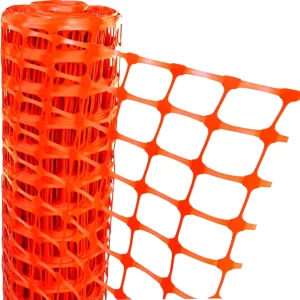
Even with high‑quality drinkers, biosecurity practices like footbaths, disinfection routines, and mesh barriers (e.g., Poultry Mesh 400 GSM 25m × 1m) are vital to reduce disease risk.
H2: Installation and Placement Tips
Feeders
-
Elevate feeders to chest height of birds to reduce spillage
-
Ensure even spacing along the pen so birds don’t crowd one area
-
For automatic systems, angle feed tubes to match bird size
Drinkers
-
Maintain steady water flow with pressure systems or elevated tanks
-
Avoid placing drinkers directly under sunlight to keep temperatures down
-
For nipple systems, ensure lines are clean and free of airlocks
Where poultry houses are exposed to wind and dust, sealing openings with proper mesh like Insect Nets helps keep contaminants away from feeders and water bowls.
H2: Feed and Water Management by Season
Dry Seasons (e.g., Eastern Kenya)
-
Water evaporates quickly; check drinkers more often
-
Provide shade over drinkers to reduce heat stress
-
Use multiple small drinkers to ensure access
Wet Seasons
-
Flush waterers more frequently to prevent contamination
-
Position feeders off muddy ground
-
Ensure drainage around feed and water zones
Appropriate shade solutions, such as 80% GSM Shade Net, improve comfort around feeding and watering areas.
H2: Cost, ROI, and Practical Maintenance
Initial Cost vs. Long‑Term Savings
| Equipment Type | Rough Cost Estimate (KES) | Long‑Term Benefit |
|---|---|---|
| Basic Gravity Feeders | 2,000–6,000 | Low setup cost |
| Automatic Feeders | 15,000–50,000+ | Reduced labor & feed waste |
| Manual Nipple Drinkers | 3,000–10,000 | Clean water, low disease risk |
| Automatic Water Systems | 20,000–80,000+ | Labor saving, large flock support |
Reliable feeders and drinkers reduce feed wastage, labor costs, and disease treatments — resulting in measurable ROI within a production cycle.
Ongoing Maintenance Checklist
-
Clean feeders weekly
-
Disinfect waterers daily
-
Inspect for worn parts or leaks
-
Adjust heights as birds grow
Good maintenance keeps your equipment functioning longer and safeguards flock health.
H2: Enhancing Overall Biosecurity with Accessories
Feeders and drinkers are part of a larger biosecurity strategy that includes:
-
Secure enclosures with proper poultry mesh
-
Rodent and insect exclusion to prevent contamination
-
Footbaths and wash stations to reduce pathogen introduction
-
Record‑keeping on feed and water usage for early issue detection
Combining quality feeders and drinkers with biosecurity measures leads to lower mortality, higher production, and healthier birds.
H2: Final Recommendations for Kenyan Poultry Farmers
-
Match equipment to flock size and phase (starter vs. layer vs. broiler)
-
Prioritize sanitation with drinkers designed to minimize contamination
-
Invest in quality feeders that reduce spillage and feed waste
-
Monitor water quality daily — it’s as critical as the feed itself
-
Integrate feeders and drinkers with overall farm design to reduce labor and disease risk
Your choice of feeding and watering systems affects every aspect of poultry production — from feed conversion to flock health, labor efficiency, and profitability. Investing in the right equipment pays dividends in performance and ease of management.
Conclusion
Choosing appropriate feeders and drinkers is foundational to the success of any poultry enterprise in Kenya. From simple gravity feeders for small flocks to automated systems for commercial operations, proper selection, installation, and sanitation practices result in healthier birds and more efficient farming. Combine quality feeding and watering equipment with robust biosecurity measures to maximize productivity and profitability.
If you need help selecting the right accessories for your poultry operation, we can help you identify products and layouts that fit your farm’s size and goals.
Contact Us for Guidance and Support:
Email: sales@cougarnets.com | info@cougarnets.com
Phone: +254 706 903 465
Visit Us: Darosa Plaza, Karen Rd, Nairobi
Website: https://cougarnets.co.ke/