No products in the cart.

Ammonia, pH & Nitrite: The Beginner’s Guide to Testing Fish Pond Water Quality
Introduction: Why Water Quality Testing Is Critical for Fish Farming in Kenya
In Kenya’s growing aquaculture industry, many new farmers underestimate one simple truth: the success or failure of a fish farm depends on water quality. Even if you have the best pond nets, aerators, and feed, your fish will not thrive unless you maintain clean, balanced water conditions.
That’s where fish pond water testing in Kenya becomes essential. Regular monitoring of ammonia, pH, and nitrite levels ensures that your fish stay healthy, active, and productive.
This guide provides everything you need to know about testing fish pond water—covering the science behind these parameters, how to use ammonia test kits and digital pH meters, and how to keep your ponds in optimal condition for maximum yield.
Understanding Water Quality in Fish Farming
Water quality refers to the chemical, physical, and biological characteristics of pond water that directly affect fish health and growth. For fish farmers, maintaining ideal water quality is as important as proper feeding or aeration.
The three most critical parameters every farmer must test are:
-
Ammonia (NH₃/NH₄⁺)
-
pH (Acidity or Alkalinity)
-
Nitrite (NO₂⁻)
When these levels are unbalanced, fish experience stress, reduced feeding, slower growth, and increased susceptibility to disease.
Why Fish Pond Water Testing Is Vital
Testing your pond water regularly offers several major benefits:
-
Early detection of harmful conditions before fish die-offs occur.
-
Improved feed efficiency since fish grow better in stable environments.
-
Reduced costs by preventing unnecessary medication or pond flushing.
-
Compliance with best aquaculture practices, which is vital for commercial farming and exports.
In Kenya, with aquaculture expanding rapidly in counties such as Kisumu, Kirinyaga, and Machakos, proper water monitoring can make the difference between a profitable business and a failed investment.
The Science Behind Water Parameters
To understand how water quality affects fish, let’s examine the three key components every farmer must measure.
1. Ammonia (NH₃ / NH₄⁺)
Ammonia is produced naturally from fish waste, uneaten feed, and decaying organic matter. In low concentrations, it’s manageable—but in excess, it’s toxic.
-
Safe Level: < 0.02 mg/L (unionized ammonia)
-
Dangerous Level: > 0.05 mg/L
High ammonia levels can burn fish gills, reduce oxygen absorption, and cause fish to gasp at the surface.
The easiest way to track this is with a reliable ammonia test kit designed for aquaculture use. Although Cougar Nets focuses on pond infrastructure, every farmer using their Fish Pond Cover Nets or Aerator Pumps should invest in a testing kit to complement proper pond management.
2. pH (Potential of Hydrogen)
The pH level measures how acidic or alkaline your water is.
-
Ideal Range for Fish: 6.5 to 8.5
Water that’s too acidic (<6.5) can irritate fish skin and damage gills. On the other hand, highly alkaline water (>8.5) interferes with ammonia detoxification.
Testing pH daily using a digital pH meter or a multi-parameter water quality tester allows farmers to make quick adjustments—such as adding lime to increase pH or partial water changes to reduce alkalinity.
3. Nitrite (NO₂⁻)
Nitrite forms as bacteria convert ammonia during the nitrogen cycle. In a balanced pond, beneficial bacteria further convert nitrite to nitrate—a less harmful compound.
However, when nitrite accumulates, it binds to fish blood, preventing oxygen transport, a condition called brown blood disease.
-
Safe Level: < 0.1 mg/L
-
Dangerous Level: > 0.5 mg/L
This makes routine nitrite testing as important as checking ammonia or pH.
Step-by-Step: How to Test Fish Pond Water
Let’s go through how beginners can conduct simple yet accurate water quality tests using standard tools like ammonia test kits, pH meters, and multiparameter testers.
Step 1: Collect Water Samples
Use a clean plastic container or cup. Take samples from 15–30 cm below the water surface, preferably from different spots if your pond is large.
Step 2: Use an Ammonia Test Kit
Most ammonia test kits come with reagents that change color based on ammonia concentration. Follow the kit instructions carefully—usually:
-
Add a few drops of reagent to the water sample.
-
Wait for the color to develop (5–10 minutes).
-
Compare with the color chart provided.
Record the readings in a notebook to track long-term trends.
Step 3: Measure pH
If you’re using a digital pH meter, calibrate it first using buffer solutions (pH 4, 7, and 10). Then:
-
Dip the electrode into your sample.
-
Wait for the reading to stabilize.
-
Record the result immediately.
Some water quality testers combine pH, temperature, and total dissolved solids (TDS) in one device—ideal for professional fish farms.
Step 4: Check Nitrite Levels
Similar to ammonia tests, nitrite kits use a colorimetric method. Excessive nitrite should prompt immediate water change and aeration.
Interpreting Your Results
Once you’ve recorded ammonia, nitrite, and pH levels, use the following guide:
| Parameter | Ideal Range | Corrective Action if Out of Range |
|---|---|---|
| Ammonia | < 0.02 mg/L | Partial water change, reduce feeding, increase aeration |
| Nitrite | < 0.1 mg/L | Improve filtration, add salt (2–3 g/L), change water |
| pH | 6.5 – 8.5 | Use lime to raise pH or fresh water to lower it |
Tracking these values helps detect imbalances before they harm fish.
Role of Aeration and Netting in Water Quality
Even with perfect water chemistry, poor oxygen circulation can cause rapid ammonia buildup. Installing a Pond Aerator Pump ensures continuous oxygen supply, improving bacterial activity that breaks down waste products.
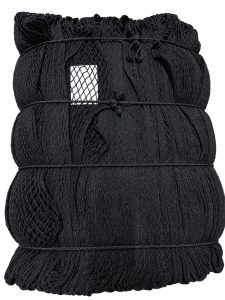
Additionally, using Fish Pond Cover Nets from Cougar Nets prevents leaves, dust, and debris from entering ponds, which reduces organic waste and stabilizes ammonia levels.
For open water systems or large aquaculture cages, Fish Cage Net Material helps maintain water flow and minimizes predator intrusion.
How Often Should You Test Pond Water?
Frequency depends on pond size, stocking density, and feed quantity.
-
Small-scale ponds: Test 2–3 times per week.
-
Commercial farms: Daily monitoring of pH and dissolved oxygen.
-
After rainstorms: Always recheck pH and ammonia levels.
During Kenya’s hotter months (January–March), oxygen levels drop, increasing ammonia concentration. Aeration and frequent testing are particularly important during these periods.
Common Problems and How to Fix Them
Problem 1: High Ammonia Levels
Cause: Overfeeding, poor aeration, excessive organic waste.
Solution:
-
Stop feeding temporarily.
-
Increase aeration using Aerator Pumps.
-
Perform a 30–40% water change.
-
Add zeolite clay or nitrifying bacteria supplements.
Problem 2: pH Fluctuations
Cause: Heavy rainfall, algae bloom, or low buffering capacity.
Solution:
-
Test pH at dawn and dusk.
-
Add agricultural lime to stabilize levels.
-
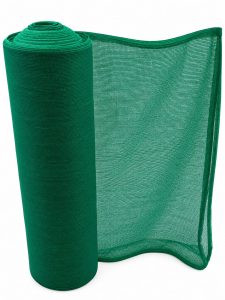
Use shade nets or aquatic plants to reduce excessive sunlight.
Problem 3: Nitrite Toxicity
Cause: Incomplete nitrification cycle.
Solution:
-
Add common salt (2 g/L) to block nitrite absorption.
-
Increase water exchange and aeration.
-
Ensure adequate biofiltration.
Integrating Water Testing with Pond Management
Water testing is only part of an integrated management plan. Combine it with:
-
Proper pond design using PVC Tarpaulin (650 GSM) for leak-proof lining.
-
Efficient water movement using a Diesel Water Pump.
-
Predator control through Anti-Bird Nets.
-
Regular cleaning of nets and filters to avoid organic buildup.
When all these systems work together, your pond remains stable, productive, and environmentally sustainable.
Advanced Monitoring: Moving Beyond Basic Kits
As aquaculture becomes more data-driven, modern farms in Kenya are adopting smart solutions such as:
-
Digital multiparameter meters that test pH, TDS, DO, and temperature simultaneously.
-
Automated sensors linked to mobile apps for real-time alerts.
-
Cloud-based farm management tools that log data for long-term analysis.
These technologies reduce guesswork, allowing fish farmers to respond instantly to dangerous water changes.
Sustainability and Environmental Impact
Unmonitored fish ponds can pollute surrounding soil and groundwater. Responsible water testing ensures effluent discharge meets safe environmental standards.
Sustainable aquaculture in Kenya means:
-
Recycling water where possible.
-
Avoiding chemical contamination.
-
Using eco-friendly shade nets and PVC-coated chain links to manage enclosures.
By practicing environmental stewardship, farmers not only protect ecosystems but also improve public trust in aquaculture products.
Why Choose Cougar Nets for Your Aquaculture Needs
Although Cougar Nets is best known for its high-quality fish pond nets, the company’s product range supports every stage of modern fish farming—from aeration to pond safety and filtration support structures.
Top aquaculture products available at Cougar Nets include:
Each product is built for durability, UV resistance, and cost efficiency—making Cougar Nets the go-to supplier for Kenya’s top fish farms.
Conclusion
Testing ammonia, pH, and nitrite levels is not optional—it’s the foundation of a successful aquaculture operation. Regular water testing ensures fish health, feed efficiency, and profitability.
By pairing professional water testing practices with reliable aquaculture equipment such as pond nets and aerator pumps from Cougar Nets, farmers can maintain stable water conditions and achieve consistent harvests year-round.
If you’re serious about sustainable and profitable fish farming, start by mastering your water.
Call to Action
Get Your Premium Netting Solutions Today!
For the best quality netting solutions for farming, construction, home, or any other project, look no further than Cougar Nets. Our team of experts is ready to help you choose the perfect product for your needs.
NATIONWIDE & EAST AFRICA DELIVERY AVAILABLE
✔ Premium quality nets for all applications
✔ Professional installation & expert advice
✔ Bulk orders & custom solutions available
✔ Serving Kenya (Nairobi, Eldoret, Mombasa), Uganda, Tanzania, Rwanda, South Sudan & beyond.
Contact Us for a Quote:
Cougar Nets
Email: sales@cougarnets.com | info@cougarnets.com
Phone: +254 706 903 465
Visit Us: Darosa Plaza, Karen Rd, Nairobi
Website: https://cougarnets.co.ke/