No products in the cart.
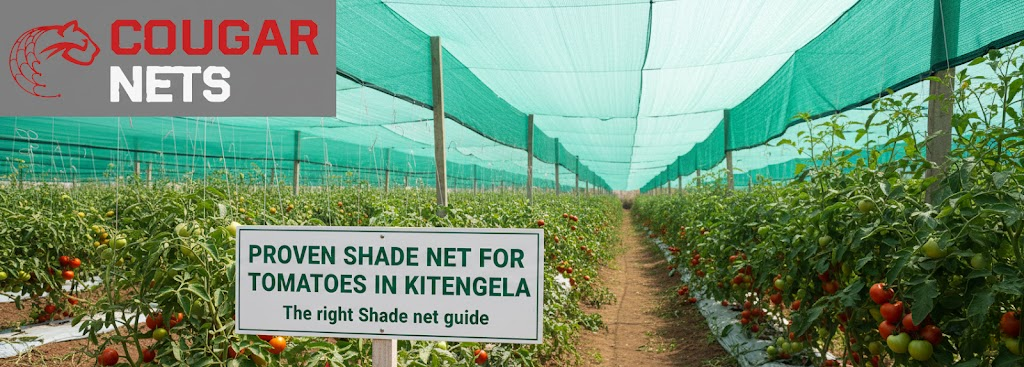
How to Choose the Right Shade Net for Tomatoes in Kitengela’s Hot Climate
Tomato farming in Kitengela presents a unique set of environmental challenges. Located within Kajiado County’s semi-arid zone, the area experiences high solar radiation, elevated daytime temperatures, drying winds, and seasonal water stress. While tomatoes are a profitable crop, these conditions can significantly reduce yields if protective measures are not implemented.
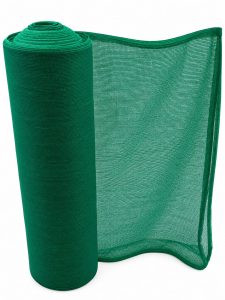
One of the most effective interventions is the use of a shade net for tomatoes in Kitengela. However, not all shade nets deliver the same agronomic performance. The wrong shading percentage or low-quality material can either fail to protect crops or reduce productivity by limiting essential sunlight. Proper selection requires understanding plant physiology, local climate behavior, and net specifications.
This guide explains how to select the correct shade net to reduce sunscald, control plant stress, and stabilize yields under Kitengela’s demanding conditions.
Why Tomatoes Struggle in Kitengela
Tomatoes perform best within a moderate temperature and light range. In Kitengela, peak daytime temperatures often exceed optimal thresholds, and intense solar radiation increases leaf and fruit surface temperatures. This leads to:
-
Sunscald on fruits
-
Flower drop due to heat stress
-
Increased transpiration and water demand
-
Reduced fruit set
-
Premature plant aging
Excessive heat disrupts photosynthesis and causes physiological stress. Even with adequate irrigation, the plant may not cope with the heat load. Using the correct shade net modifies the microclimate to protect the crop and maintain productivity.
How Shade Nets Work in Semi-Arid Farming in Kajiado
A shade net functions as a microclimate management tool. It modifies three critical environmental variables:
-
Light intensity
-
Temperature
-
Wind speed
By filtering sunlight, the net reduces leaf temperature and prevents fruit surface damage. It also lowers evapotranspiration, meaning plants lose less moisture. In farming in Kajiado, where water resources can be limited, this reduction in stress is essential.
However, the shading level must be calibrated. Too little shade offers minimal protection, while too much shade reduces photosynthesis and can lead to weak plant growth.
40% vs 55% Shade Net: Which Is Better for Tomatoes?
This is the most important decision when selecting a shade net for tomatoes in Kitengela.
40% Shade Net
A 40% shade net blocks moderate sunlight while still allowing high light penetration. It is suitable when:
-
Temperatures are warm but not extreme
-
Farming is done at slightly higher elevations with airflow
-
The goal is maximum vegetative growth and flowering
Benefits include strong plant structure and good fruit development. However, during peak hot months, 40% shade may not sufficiently prevent sunscald.
55% Shade Net
A 55% shade net provides stronger protection against intense radiation. It is preferred when:
-
Temperatures are consistently high
-
Farms are in open, exposed areas
-
There is a history of fruit burning or flower abortion
This level of shading significantly reduces fruit surface temperature and stress. Plants maintain better hydration and sustain fruit set even during heat spikes. For most open-field or simple-structure tomato setups in Kitengela, 55% shading often delivers more stable performance during hot seasons. In cooler months, 40% may promote faster growth.
The Importance of UV Treated Nets
Not all nets are designed for prolonged outdoor exposure. Cheap materials degrade quickly under Kitengela’s intense sunlight. UV treated nets contain stabilizers that protect the polymer fibers from breaking down.
Without UV treatment:
-
Nets become brittle
-
Tearing increases
-
Shade percentage becomes inconsistent
-
Replacement costs rise
UV stabilization ensures structural durability, consistent shading performance, and longer service life. For semi-arid farming systems, using UV treated nets is essential for protecting both crops and investment.
Additional Agronomic Benefits
Using the right shade net improves more than temperature control:
-
Reduced wind stress leads to stronger stems
-
Lower evapotranspiration reduces irrigation frequency
-
Less sun damage improves fruit grade
-
More stable conditions support pollination and fruit set
These factors combine to improve marketable yield and reduce losses.
Structural Considerations
Shade nets must be installed with proper tension and support structures. Loose nets flap in wind, causing wear and inconsistent shading. The structure should allow adequate airflow to prevent humidity buildup, which could encourage fungal diseases.
Material GSM (grams per square meter) also influences durability. Heavier GSM nets generally offer better strength and lifespan.
Farmers seeking durable, crop-specific netting solutions can source professionally specified products from structured suppliers such as Cougar Nets, which provide agricultural-grade shade nets for tomatoes in Kitengela designed for semi-arid climates.
When to Upgrade from Open Field to Net Protection
Shade net structures are especially valuable when:
-
Tomato fruits show frequent sunburn
-
Flower drop occurs during hot periods
-
Irrigation costs are rising
-
Yields fluctuate due to temperature extremes
In these scenarios, microclimate control directly improves productivity and resource efficiency.
Final Recommendation
Tomato farming in Kitengela requires active climate management. A shade net is not merely a covering; it is a yield protection system. The correct choice depends on seasonal temperature intensity, farm exposure, and production goals.
For most high-heat conditions in farming in Kajiado, a 55% UV treated net provides strong protection against sunscald and plant stress. In slightly cooler periods or less exposed areas, 40% shade can support vigorous growth while still offering protection.
Selecting the correct specification ensures higher fruit quality, reduced stress, and consistent harvests.
Farmers planning installations or upgrades can consult directly through the official Cougar Nets contact page for guidance on crop-appropriate netting solutions.
Contact Cougar Nets for a Quote
Cougar Nets
Email: sales@cougarnets.com | info@cougarnets.com
Phone: +254 706 903 465
Visit: Darosa Plaza, Karen Rd, Nairobi
Website: https://cougarnets.co.ke/