No products in the cart.
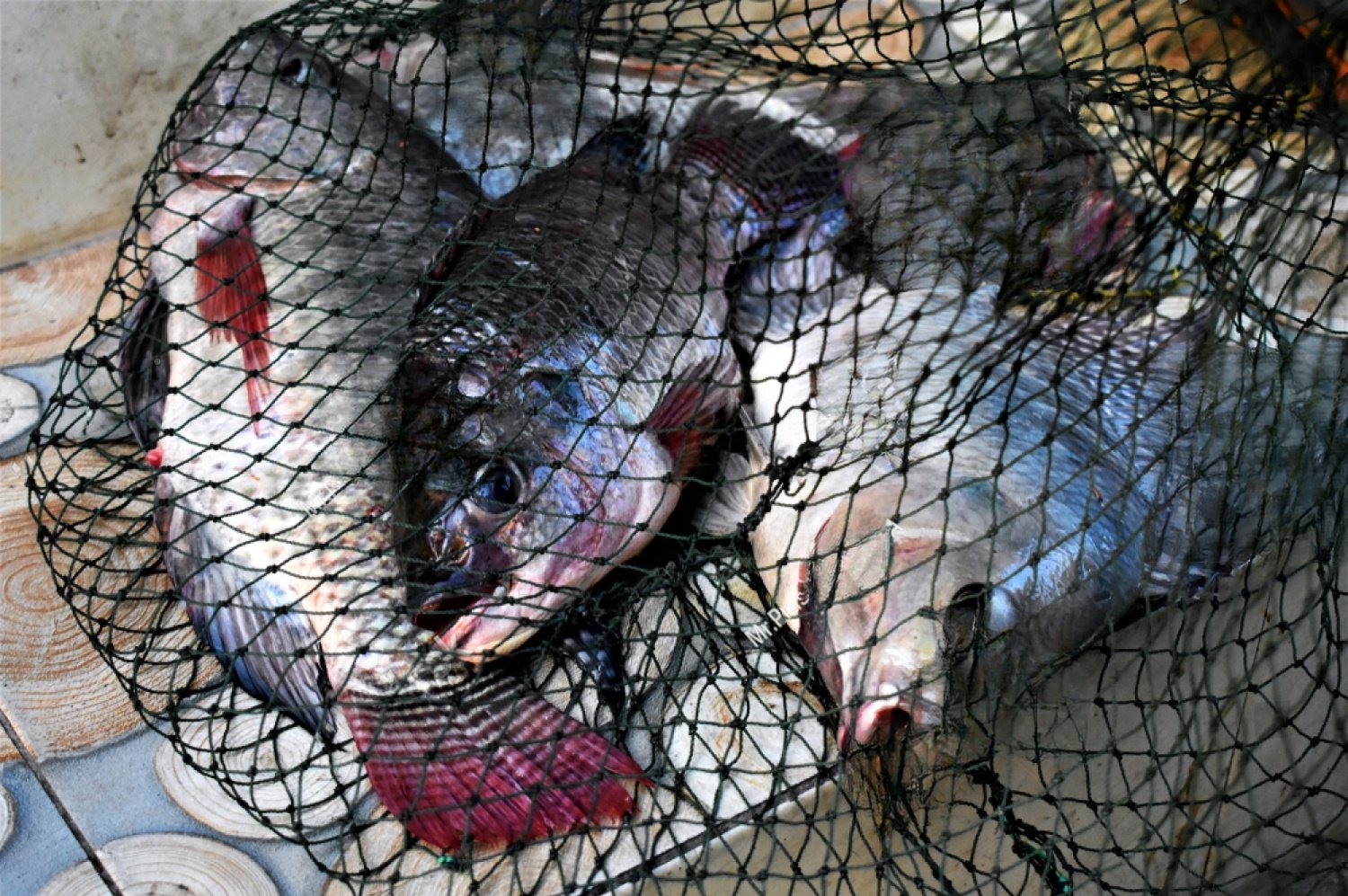
The search for the best mesh size for tilapia farming is becoming increasingly important across Kenya and East Africa as aquaculture continues to expand. From cage farming operations in Lake Victoria near Kisumu to commercial fish ponds in Nairobi, Mombasa, and Eldoret, farmers are focusing on net performance to improve survival rates, feeding efficiency, and harvest quality.
Across Uganda, Tanzania, and Rwanda, tilapia farmers are investing in modern aquaculture systems that use specialized mesh sizes for different growth stages. Selecting the correct netting size directly affects oxygen flow, fish safety, waste management, and long-term productivity in both pond and cage farming systems.
WHY MESH SIZE MATTERS IN TILAPIA FARMING
Mesh size determines how water flows through fish cages and how effectively fish are contained during different growth phases.
Correct mesh sizing helps:
- Prevent fingerling escape
- Improve oxygen circulation
- Reduce waste accumulation
- Lower disease risk
- Improve feeding efficiency
Improper mesh selection can lead to fish stress, reduced growth rates, and unnecessary stock losses.
For aquaculture equipment and netting systems:
BEST MESH SIZES BY TILAPIA GROWTH STAGE
Tilapia Fingerling Stage
At the fingerling stage, smaller mesh sizes are critical to prevent escape while maintaining adequate water movement.
Recommended features:
- Fine mesh structure
- Soft knotless netting where possible
- Strong but lightweight materials
This is where tilapia fingerling mesh becomes essential for reducing mortality during early development.
Juvenile Tilapia Stage
As fish grow, slightly larger mesh sizes improve water exchange and feeding conditions.
Benefits include:
- Better oxygen flow
- Reduced clogging
- Improved cage cleanliness
Farmers in Kisumu and Lake Victoria cage systems commonly adjust mesh sizes progressively as fish mature.
Mature Tilapia Harvest Stage
Larger mesh sizes are preferred for mature fish because they:
- Improve water circulation
- Reduce drag in cages
- Support larger stocking densities
- Lower maintenance requirements
Commercial farms in Uganda and Tanzania often use reinforced cage nets for large-scale harvest production.
TILAPIA FARMING CAGE NETS IN EAST AFRICA
Kisumu – Lake Victoria Cage Farming
Kisumu remains one of East Africa’s leading aquaculture regions, where cage farming requires durable fish farming nets that withstand strong currents and biofouling.
Nairobi – Urban Fish Farming
Urban fish farming projects use smaller pond systems that require careful mesh selection for efficient water management.
Mombasa – Coastal Aquaculture
Coastal fish farms prioritize corrosion-resistant netting systems due to saltwater exposure and high humidity.
Eldoret – Inland Pond Farming
Tilapia pond systems in Eldoret use different aquaculture netting sizes depending on stocking density and pond design.
FACTORS THAT DETERMINE THE BEST MESH SIZE
Fish Size
Smaller fish require tighter mesh spacing to prevent escape.
Water Flow
Larger mesh improves circulation and oxygen availability.
Farming Environment
Pond farming and cage farming require different net structures.
Predator Protection
Proper mesh sizing also helps reduce bird and predator intrusion.
For additional farm protection systems:
COMMON MISTAKES FARMERS MAKE
Using Oversized Mesh Too Early
This increases fingerling escape rates and reduces stocking efficiency.
Ignoring Water Circulation
Small mesh can clog quickly and reduce oxygen availability if not cleaned regularly.
Choosing Weak Net Materials
Low-quality nets degrade faster and increase replacement costs.
For durable installation tools and maintenance accessories:
BENEFITS OF USING QUALITY FISH FARMING NETS
High-quality fish farming nets provide:
- Better durability
- Reduced maintenance
- Improved fish survival
- Better harvest quality
- Long-term cost efficiency
This is especially important in commercial cage farming systems across Kenya, Uganda, Tanzania, and Rwanda.
WHY EAST AFRICAN FISH FARMERS PRIORITIZE NET QUALITY
Aquaculture growth across East Africa has increased demand for reliable cage systems and professional aquaculture infrastructure. Farmers now understand that choosing the best mesh size for tilapia farming directly affects profitability and fish health.
For inquiries and aquaculture support:
RELATED PRODUCTS
Fishing Nets and Aquaculture Systems
Used for tilapia cage farming and pond aquaculture across East Africa.
Circular Fish Cages
Ideal for commercial tilapia farming in lakes and large ponds.
Fish Air Pump Systems
Supports oxygen circulation in aquaculture environments.
Fish Pond Cover Nets
Protects fish ponds from birds and external contamination.
UV Water Sterilizer Systems
Improves water quality and reduces disease risk in fish farming systems.
FAQ
What is the best mesh size for tilapia farming?
The best mesh size depends on fish growth stage. Smaller mesh is ideal for fingerlings, while larger mesh works better for mature tilapia.
Why is mesh size important in aquaculture?
Mesh size affects oxygen flow, fish safety, water quality, and feeding efficiency in fish farming systems.
Can small mesh reduce fish losses?
Yes. Smaller mesh prevents fingerlings from escaping and improves survival during early growth stages.
Are larger mesh sizes better for mature fish?
Yes. Larger mesh improves water circulation and reduces clogging in mature fish cages.
What type of nets are best for cage farming?
Durable, UV-resistant fish farming nets designed for aquaculture environments are best for long-term cage farming operations.
Contact Us
Get Your Premium Netting Solutions Today! For the best quality netting solutions for farming, construction, home, or any other project, look no further than Cougar Nets. Our team of experts is ready to help you choose the perfect product for your needs.
NATIONWIDE & EAST AFRICA DELIVERY AVAILABLE
Premium quality nets for all applications
Professional installation and expert advice
Bulk orders and custom solutions available
Serving Kenya (Nairobi, Eldoret, Kisumu), Uganda, Tanzania, Rwanda, South Sudan, Ethiopia and beyond.
Contact Us for a Quote:
Cougar Nets
Email: sales@cougarnets.com | info@cougarnets.com
Phone: +254 706 903 465
Visit Us: Darosa Plaza, Karen Rd, Nairobi
Website: https://cougarnets.co.ke/