No products in the cart.
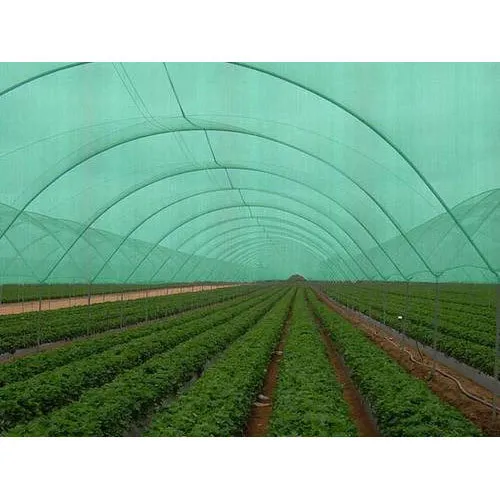
Agricultural netting in Kenya plays a critical role in organic farming by providing pesticide free pest control through physical barriers that prevent insects, birds, and small animals from damaging crops. It supports sustainable farming by reducing chemical pesticide use while improving yield quality and farm productivity.
INTRODUCTION
Agricultural netting in Kenya is becoming a key solution in organic farming systems where farmers aim to reduce chemical use while maintaining high productivity. With rising demand for safe food across East Africa, farmers are adopting organic farming Kenya practices that depend heavily on physical pest control methods.
Cougar Nets provides durable agricultural mesh solutions in Kenya designed to support pesticide free pest control, crop protection, and sustainable farming across Nairobi, Kisumu, Mombasa, Eldoret, and surrounding regions.
1. UNDERSTANDING ORGANIC FARMING IN KENYA
Organic farming focuses on producing crops without synthetic chemicals, relying instead on natural systems for pest control, soil fertility, and crop protection.
Key principles include:
- No synthetic pesticides or herbicides
- Use of biological and mechanical pest control
- Soil health preservation
- Sustainable water management
In Kenya, organic farming is growing due to:
- Increasing health awareness
- Export demand for chemical free produce
- Rising cost of agricultural chemicals
However, pest pressure remains a major challenge, making agricultural netting essential.
2. WHAT IS AGRICULTURAL NETTING
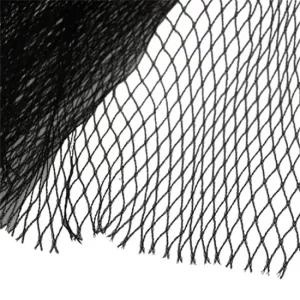
Agricultural netting refers to fine mesh materials used in farming to physically block pests, birds, and insects from accessing crops.
It functions as:
- A physical pest barrier
- A crop protection system
- A microclimate stabilizer
- A support system for organic production
It is widely used in pesticide free pest control systems across vegetable and fruit farming.
3. ROLE OF AGRICULTURAL NETTING IN ORGANIC FARMING
Agricultural netting supports organic farming in several key ways:
Pest exclusion
Prevents insects such as aphids, whiteflies, and caterpillars from reaching crops.
Bird protection
Stops birds from damaging fruits like tomatoes, strawberries, and maize.
Reduced disease spread
By limiting pest entry, it reduces disease transmission in crops.
Chemical reduction
Eliminates or significantly reduces the need for chemical pesticides.
Yield improvement
Healthy crops result in better market quality and higher productivity.
4. TYPES OF AGRICULTURAL MESH USED IN KENYA
| Type | Function | Use Case |
|---|---|---|
| Insect netting | Blocks small pests | Vegetable farming |
| Bird protection nets | Prevents bird damage | Fruits and grains |
| Shade mesh nets | Controls sunlight and pests | Mixed farming |
| Heavy-duty agricultural mesh | Full protection system | Commercial organic farms |
5. BENEFITS OF PESTICIDE FREE PEST CONTROL
Using agricultural netting instead of chemicals provides:
- Safer food production
- Lower production costs over time
- Improved soil and ecosystem health
- Compliance with export standards
- Reduced chemical exposure for farmers
Organic farms in Kenya using agricultural mesh systems report improved consistency in harvest quality.
6. HOW TO USE AGRICULTURAL NETTING EFFECTIVELY
Step 1: Identify pest pressure areas
Monitor farm for insect and bird activity.
Step 2: Choose correct mesh size
- Fine mesh for insects
- Medium mesh for birds
- Reinforced mesh for mixed protection
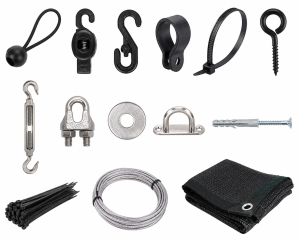
Step 3: Install protective structure
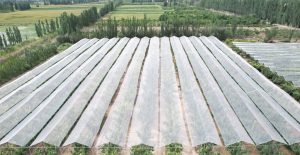
Use poles and support frames to elevate nets above crops.
Step 4: Secure edges
Ensure no entry gaps for pests.
Step 5: Regular inspection
Check for tears or openings after weather changes.
7. AGRICULTURAL NETTING AND ORGANIC FARMING IN KENYA
In Kenya, organic farming is expanding in regions such as:
- Nairobi peri-urban farms
- Kiambu horticultural zones
- Nakuru vegetable farms
- Kisumu lakeside agriculture systems
Challenges faced include:
- High pest pressure in warm climates
- Seasonal insect outbreaks
- Crop vulnerability during rainy seasons
Agricultural netting provides a reliable, chemical free pest control method suitable for these environments.
8. COST OF AGRICULTURAL MESH IN KENYA
| Type | Estimated Price (KSh per sqm) |
|---|---|
| Light insect mesh | 40 – 80 |
| Standard agricultural netting | 80 – 150 |
| Heavy-duty mesh systems | 150 – 300 |
Pricing depends on durability, UV resistance, and mesh density.
9. AGRICULTURAL NETTING VS CHEMICAL PEST CONTROL
| Feature | Netting | Chemical Control |
|---|---|---|
| Safety | High | Moderate to low |
| Environmental impact | None | High |
| Long-term cost | Low | High recurring cost |
| Effectiveness | Continuous | Seasonal |
| Organic compliance | Fully compliant | Not allowed in organic farming |
Agricultural netting is the preferred solution for organic farming Kenya systems.
10. BEST USE CASES BY FARM TYPE
Vegetable farming
Protects kale, spinach, tomatoes, and lettuce from insects.
Fruit farming
Prevents bird damage in mangoes, strawberries, and papayas.
Greenhouse and open-field hybrid systems
Enhances protection in semi-controlled farming environments.
11. WHERE TO BUY AGRICULTURAL NETTING IN KENYA
Farmers should source high-quality materials from trusted suppliers like Cougar Nets.
You can explore:
Browse all farming solutions on the Cougar Nets Shop
Explore agricultural mesh products in Home and Garden Netting
View protective materials under Tarpaulin and Netting Solutions
Learn about company standards on About Cougar Nets
Get expert support via Contact Cougar Nets
Check product guidance on Cougar Nets FAQs
12. FARMING INSIGHTS IN EAST AFRICA
Modern agriculture is shifting toward:
- Sustainable farming systems
- Reduced chemical dependency
- Climate-resilient agriculture
- Export-quality production standards
Agricultural netting is a core component of this transition.
FAQ SECTION
1. What is agricultural netting used for in organic farming?
It is used to block pests, birds, and insects from crops without using chemicals, supporting pesticide free pest control systems in organic farming.
2. Does agricultural netting replace pesticides completely?
In many cases yes, especially for insect and bird control. It reduces or eliminates the need for chemical pesticides in organic systems.
3. Which crops benefit most from agricultural mesh?
Vegetables like kale, spinach, tomatoes, lettuce, and fruits like mangoes and strawberries benefit significantly.
4. Is agricultural netting suitable for Kenya’s climate?
Yes, it is designed for high UV exposure and varying rainfall conditions across Kenya and East Africa.
5. How long does agricultural netting last?
High-quality UV-stabilized nets last between 3 to 8 years depending on usage and environmental exposure.
Get Your Premium Netting Solutions Today!
For the best quality netting solutions for farming, construction, home, or any other project, look no further than Cougar Nets. Our team of experts is ready to help you choose the perfect product for your needs.
NATIONWIDE & EAST AFRICA DELIVERY AVAILABLE
- Premium quality nets for all applications
- Professional installation and expert advice
- Bulk orders and custom solutions available
- Serving Ethiopia, South Sudan, Kenya (Nairobi, Eldoret, Kisumu) and beyond.
Contact Us for a Quote:
Cougar Nets
Email: sales@mft.co.ke | info@cougarnets.co.ke
Phone: +254 706 903 465
Visit Us: Darosa Plaza, Karen Rd, Nairobi
Website: https://cougarnets.co.ke/