No products in the cart.
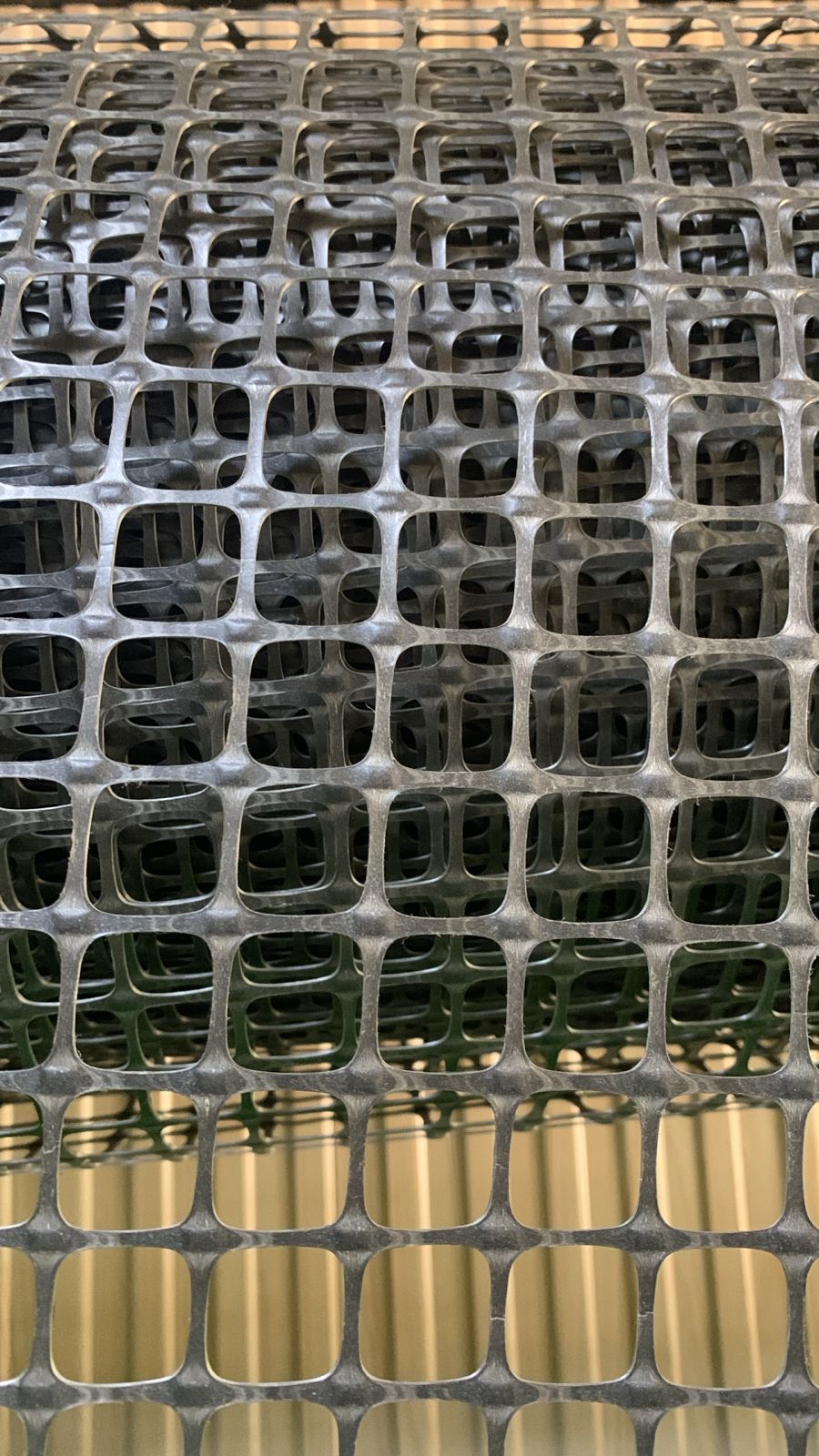
Poultry net mesh size refers to the spacing between wires in poultry netting used for chicken coops and livestock protection. In Kenya, selecting the correct mesh size ensures maximum ventilation, predator protection, and bird safety in ventilated chicken coops. The right livestock mesh Kenya solution improves airflow, reduces disease risk, and increases productivity in poultry farming systems across East Africa.
Introduction
The choice of poultry net mesh size in Kenya plays a key role in determining the success of modern poultry farming systems. Across Nairobi, Mombasa, Kisumu, and Eldoret, farmers are increasingly adopting ventilated chicken coops that improve bird health, reduce heat stress, and increase productivity.
Cougar Nets provides durable livestock mesh Kenya solutions designed for long-term protection, ventilation, and structural stability. Whether operating a small backyard poultry system or a large commercial farm, selecting the correct mesh size ensures safety, efficiency, and compliance with modern agricultural standards.
Understanding Poultry Net Mesh Size in Kenya
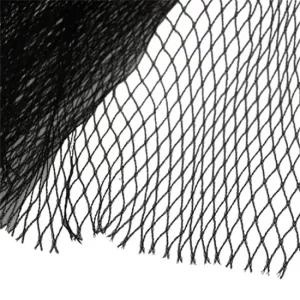
Poultry net mesh size refers to the gap between wires in a netting system. It determines airflow, predator access, and bird containment efficiency.
Common mesh sizes include 1/2 inch (12mm), 3/4 inch (19mm), 1 inch (25mm), 1.5 inch (38mm), and 2 inch (50mm). Smaller mesh improves protection while larger mesh improves ventilation.
Farmers can explore suitable materials in the Poultry Farming category.
Best Mesh Sizes for Ventilated Chicken Coops
The correct mesh size depends on bird age and farming system.
Chicks require 1/2 inch mesh for maximum safety. Broilers perform best with 1 inch mesh due to balanced airflow and protection. Layers benefit from 1 to 1.5 inch mesh for improved ventilation. Free-range systems often use 1.5 to 2 inch mesh for maximum airflow with perimeter control.
Ventilated chicken coops reduce heat stress, ammonia buildup, and disease risk, improving productivity in Kenya’s warm climate.
Why Ventilation Matters in Poultry Farming
Proper ventilation reduces heat stress, prevents respiratory diseases, improves egg production, and enhances growth rates. In coastal regions such as Mombasa, poor ventilation can rapidly increase disease outbreaks due to humidity and heat buildup.
Farmers often combine mesh systems with protective coverings available in the Tarpaulin solutions category to regulate temperature and airflow.
Livestock Mesh Kenya Durability Standards
High-quality livestock mesh must withstand UV radiation in Nairobi, humidity in Mombasa, heavy rainfall in Kisumu, and strong winds in Eldoret.
PVC coating improves UV resistance, galvanized steel prevents rust, and reinforced edges increase structural strength. These factors significantly extend the lifespan of poultry netting systems.
Durable construction materials are available in the Hardware category.
Mesh Size vs Predator Protection
Common predators in Kenya include snakes, rats, and birds of prey. Mesh size determines protection effectiveness.
A 1/2 inch mesh offers maximum protection for chicks. A 1 inch mesh provides balanced protection for most farms. A 2 inch mesh prioritizes airflow but requires additional perimeter reinforcement.
Farmers often combine mesh fencing with systems from the Home & Garden category for improved security.
Regional Mesh Recommendations in Kenya
In Nairobi, 1 inch PVC-coated mesh is ideal due to UV exposure and compact farming setups. In Mombasa, galvanized 1 to 1.5 inch mesh performs best due to corrosion resistance. In Kisumu, 1 inch mesh supports humidity control and disease prevention. In Eldoret, 1 to 1.5 inch mesh balances wind resistance and insulation needs.
How to Choose the Right Poultry Net Mesh Size
Selection begins by identifying bird type, assessing predator risks, evaluating climate conditions, selecting material type, and choosing the appropriate mesh size. Proper installation planning ensures long-term efficiency and safety.
Expert guidance is available through the Contact Us page.
Poultry Net Mesh Installation Guide
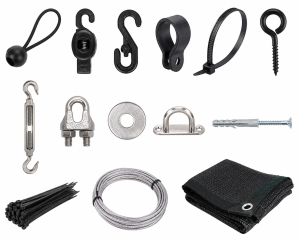
Installation requires strong framing using treated wood or metal, proper stretching of the mesh, secure fastening using galvanized staples, reinforcement at corners, and a full inspection for gaps or weak points. Poor installation reduces effectiveness regardless of mesh quality.
Compliance and Professional Standards
Modern poultry farming in Kenya requires adherence to eTIMS tax compliance, agricultural hygiene standards, and livestock safety regulations. These ensure proper documentation, traceability, and professional farm management.
Cougar Nets provides compliant and professionally certified mesh solutions for commercial farmers.
Mesh vs Alternative Fencing Systems
Wire mesh provides durability and ventilation but has a higher initial cost. Plastic netting is cheaper but less durable. Wooden fencing is strong but lacks airflow. Electric fencing offers high security but depends on power supply. Wire mesh remains the most balanced solution for poultry farming in Kenya.
Applications Across East Africa
Poultry mesh is widely used in Kenya for commercial broiler and layer farms, Uganda for backyard poultry systems, Tanzania for large-scale poultry farming, Rwanda for mixed livestock systems, and South Sudan for emerging agricultural projects.
People Also Ask
What mesh size is best for chicken coops
The most recommended mesh size for chicken coops in Kenya is 1 inch because it provides a balance between ventilation and predator protection, making it suitable for most poultry farming systems.
Can small mesh improve poultry health
Yes, smaller mesh improves protection from predators and disease carriers, but it must be balanced with proper ventilation to avoid heat stress and poor airflow inside the coop.
Is PVC coated mesh better
PVC coated mesh is more durable than standard wire mesh because it resists UV damage, rust, and weather exposure, making it ideal for Kenya’s diverse climate conditions.
Contact Us
For professional poultry netting solutions, installation guidance, and bulk supply across Kenya and East Africa, reach out to Cougar Nets.
Visit the Shop for full product listings, explore Poultry Farming solutions, or contact our team directly through the Contact page.
Get Your Premium Netting Solutions Today!
For the best quality netting solutions for farming, construction, home, or any other project, look no further than Cougar Nets. Our team of experts is ready to help you choose the perfect product for your needs.
NATIONWIDE & EAST AFRICA DELIVERY AVAILABLE
- Premium quality nets for all applications
- Professional installation and expert advice
- Bulk orders and custom solutions available
- Serving Ethiopia, South Sudan, Uganda and beyond.
Contact Us for a Quote:
Cougar Nets
Email: sales@mft.co.ke | info@cougarnets.co.ke
Phone: +254 706 903 465
Visit Us: Darosa Plaza, Karen Rd, Nairobi
Website: https://cougarnets.co.ke/