No products in the cart.
Introduction: Why Protective Clothing Is Non-Negotiable for Outdoor Work
Protective clothing is a critical component of safe and efficient outdoor and farming operations. In Kenya’s diverse working environments—ranging from high-UV regions like Nairobi and Kajiado to humid agricultural zones in Western Kenya and the Coast—workers face daily exposure to risks that ordinary clothing cannot mitigate.
For farmers, contractors, landscapers, and outdoor workers, the right protective clothing reduces injuries, prevents long-term health issues, and supports consistent productivity. Cougar Nets supports safe working environments by supplying durable netting, farm protection systems, and complementary infrastructure solutions that reduce environmental exposure and operational hazards.
Core Hazards Faced in Outdoor and Farming Work
Outdoor and agricultural work exposes individuals to multiple overlapping risks. Protective clothing must be selected based on these hazards rather than convenience or cost alone.
Common Outdoor Work Hazards
| Hazard Type | Examples | Potential Impact |
|---|---|---|
| UV radiation | Prolonged sun exposure | Skin damage, heat stress |
| Mechanical injury | Cuts, abrasions | Infection, downtime |
| Chemical exposure | Pesticides, fertilizers | Burns, poisoning |
| Biological threats | Insects, animal waste | Disease transmission |
| Weather exposure | Rain, wind, cold | Reduced efficiency, illness |
In farming environments, these hazards often occur simultaneously, making layered and task-specific protection essential.
Essential Protective Clothing Categories for Farming and Outdoor Work
Protective clothing is not a single item but a system of garments and accessories designed to work together.
Head and Face Protection
Head protection shields workers from sun, falling debris, and chemical splashes.
-
Wide-brimmed hats for UV protection
-
Hard hats for construction and mechanized farming
-
Face shields and goggles for spraying and cutting operations
In areas where birds and insects are prevalent, integrating farm infrastructure such as anti-bird nets reduces contamination risks and complements personal protective equipment.
Upper Body Protection
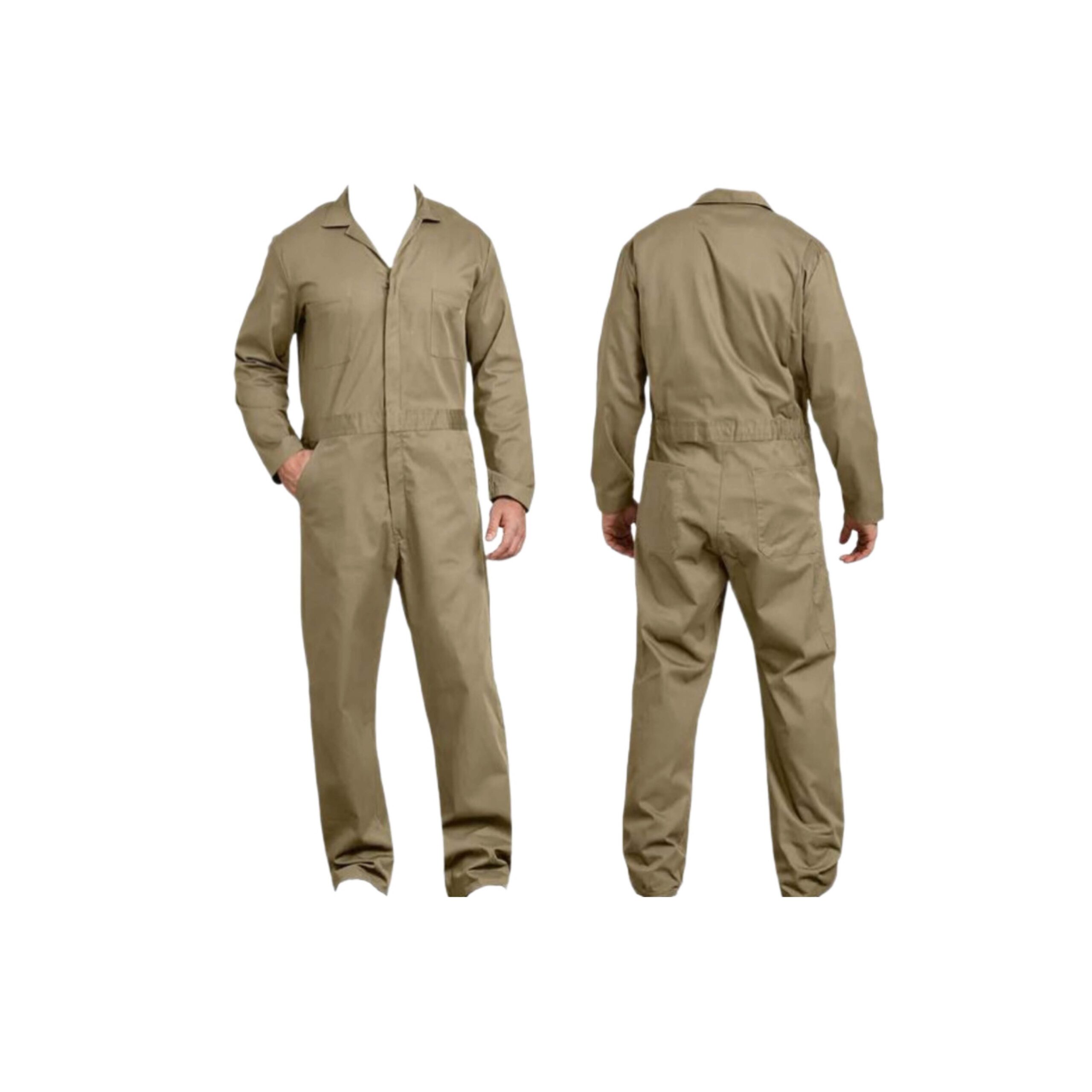
Upper body garments protect the torso, arms, and shoulders from sun, abrasions, and chemical contact.
| Clothing Type | Primary Use |
|---|---|
| Long-sleeve overalls | General farm work |
| Chemical-resistant jackets | Pesticide application |
| High-visibility vests | Roadside or construction zones |
Long-sleeve protective wear is particularly important in high-UV regions, where skin exposure leads to cumulative damage over time.
Lower Body and Leg Protection
Leg protection is critical for workers handling tools, livestock, or heavy materials.
-
Reinforced work trousers
-
Waterproof pants for irrigation work
-
Cut-resistant leggings for bush clearing
On farms using trellising systems, such as those supported by trellis nets, leg protection prevents scratches and infections during harvesting and training activities.
Hand Protection: Gloves for Task-Specific Safety
Hands are the most frequently injured body part in farming and outdoor work.
| Glove Type | Application |
|---|---|
| Leather gloves | Handling tools and wire |
| Nitrile gloves | Chemical spraying |
| Cut-resistant gloves | Harvesting, pruning |
Gloves must be matched to the task. Improper glove selection can increase risk rather than reduce it.
Footwear: The Foundation of Worker Safety
Protective footwear provides stability, impact resistance, and protection from sharp objects.
-
Steel-toe boots for construction and heavy farm work
-
Waterproof gumboots for wet and muddy environments
-
Slip-resistant soles for fish ponds and irrigation zones
In aquaculture operations, footwear works alongside fish pond cover nets and aerator pump systems to maintain safe working conditions around water bodies.
Protective Clothing for Specific Farming Activities
Different farming activities demand different protection standards.
Crop Farming and Horticulture
Crop farmers face prolonged sun exposure, chemical handling, and repetitive movement.
Key protective essentials include:
-
UV-resistant long-sleeve clothing
-
Chemical splash-resistant aprons
-
Breathable fabrics for heat management
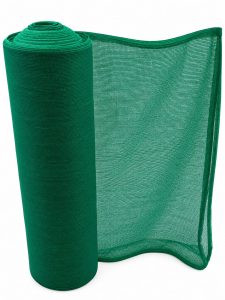
Shade infrastructure such as shade nets significantly reduces heat stress, complementing personal protective clothing.
Poultry and Livestock Farming
Animal handling introduces biological risks.
Recommended protective clothing:
-
Washable overalls
-
Rubber boots
-
Disposable gloves
Using farm barriers like poultry mesh reduces direct contact with animals, lowering disease transmission risk.
Aquaculture and Fish Farming
Aquaculture workers operate in wet, slippery, and biologically sensitive environments.
Essential gear includes:
-
Waterproof clothing
-
Non-slip footwear
-
Gloves resistant to moisture and abrasion
Protective infrastructure such as circular fish cages and pond cover nets enhances worker safety while reducing environmental exposure.
Climate-Specific Considerations in Kenya
Kenya’s varied climates demand adaptive protective clothing strategies.
High-UV Zones (Nairobi, Rift Valley)
-
UV-rated fabrics
-
Breathable materials
-
Light-colored garments
Humid and Coastal Regions (Mombasa, Kilifi)
-
Quick-drying materials
-
Corrosion-resistant accessories
-
Anti-fungal footwear linings
Protective clothing must perform reliably across these conditions without compromising comfort.
Durability and Material Selection
The longevity of protective clothing depends on fabric and construction quality.
| Material | Key Properties |
|---|---|
| Cotton blends | Breathable, affordable |
| Polyester | Durable, quick-drying |
| PVC-coated fabrics | Waterproof, chemical-resistant |
| HDPE-reinforced fabrics | Tear-resistant |
Durable materials reduce replacement frequency, lowering long-term operational costs.
Protective Clothing and Workplace Compliance
Businesses employing outdoor workers must demonstrate reasonable safety measures. Proper protective clothing is part of compliance documentation during inspections.
All purchases from Cougar Nets are supported by valid eTIMS invoices, ensuring that safety-related expenses are properly documented for tax and audit purposes in 2026.
This is particularly important for agribusinesses, contractors, and export-oriented farms.
Reducing Injuries and Improving Productivity
Well-equipped workers experience fewer injuries and higher morale.
Measurable Benefits
-
Reduced medical costs
-
Lower absenteeism
-
Higher task efficiency
-
Improved worker retention
Protective clothing is an investment in operational continuity rather than an expense.
Integration with Farm Infrastructure and Safety Systems
Protective clothing works best when combined with physical safety infrastructure.
Examples include:
-
Construction shade nets for site protection
-
Insect nets to reduce bites and disease vectors
-
Nylon ropes for secure equipment setup
This integrated approach reduces reliance on personal gear alone.
Maintenance and Replacement of Protective Clothing
Protective clothing must be maintained to remain effective.
Best practices include:
-
Regular washing according to manufacturer guidelines
-
Inspection for tears or chemical damage
-
Scheduled replacement cycles
Neglected protective clothing can create a false sense of safety.
Choosing the Right Supplier for Safety Solutions
Reliable suppliers ensure consistency, quality, and compatibility across safety systems.
Cougar Nets supports outdoor and farming operations through a broad range of products available via the Home & Garden, Animals & Pet Supplies, and Hardware categories, alongside expert guidance.
This allows businesses to source complementary safety and infrastructure solutions from a single trusted provider.
Frequently Asked Questions
Is protective clothing mandatory for small-scale farmers?
While not always legally mandated, protective clothing significantly reduces injury and illness risks and is strongly recommended.
How often should protective clothing be replaced?
Replacement depends on usage intensity, exposure level, and material quality, but routine inspection is essential.
Can shade nets replace protective clothing?
No. Shade nets reduce environmental exposure but do not protect against mechanical or chemical hazards.
Mandatory Call to Action
Get Your Premium Netting Solutions Today!
For the best quality netting solutions for farming, construction, home, or any other project, look no further than Cougar Nets. Our team of experts is ready to help you choose the perfect product for your needs.
Nationwide & East Africa delivery available.
Premium quality nets for all applications.
Professional installation and expert advice.
Bulk orders and custom solutions available.
Serving Kenya (Nairobi, Eldoret, Kisumu), Uganda, Tanzania, Rwanda, South Sudan, Ethiopia, and beyond.
Contact Us for a Quote
Cougar Nets
Email: sales@cougarnets.com | info@cougarnets.com
Phone: +254 706 903 465
Visit Us: Darosa Plaza, Karen Rd, Nairobi
Website: https://cougarnets.co.ke/