No products in the cart.

Fish farming is one of the fastest-growing agricultural sectors in Kenya. With increasing demand for affordable protein and sustainable aquaculture practices, starting a fish farming Kenya business is a lucrative opportunity for both small-scale and commercial farmers. This guide provides a comprehensive overview of how to start, operate, and scale a successful fish farm in Kenya, including equipment, costs, management tips, and real-life case studies.
Why Fish Farming in Kenya Is a Profitable Venture
Kenya’s growing population and urbanization have led to a surge in demand for fish, particularly tilapia and catfish. Fish farming helps meet this demand while providing:
-
Steady Income: Fish farming generates regular revenue through fry sales, fingerlings, and mature fish.
-
Food Security: Locally farmed fish reduces dependence on imports and supports community nutrition.
-
Job Creation: Provides employment in feed production, pond construction, and fish marketing.
-
Sustainability: Aquaculture reduces overfishing in natural water bodies.
Case Study: In Kisumu County, a small tilapia farm expanded from 500 to 2,000 fish ponds over three years, earning consistent monthly revenue while supplying local markets.
Step 1: Conduct a Feasibility Study
Before starting fish farming Kenya, it is critical to conduct a feasibility study to evaluate:
-
Market Demand: Identify high-demand species such as tilapia, catfish, or trout.
-
Location: Proximity to water sources, markets, and transport routes.
-
Climate: Water temperature and rainfall patterns affect fish growth.
-
Capital Investment: Calculate costs for pond construction, equipment, feed, and labor.
Tip: Use online resources or agricultural extension officers to understand regional demand and species suitability.
Step 2: Choose the Fish Species
The choice of species depends on market demand, climate, and pond system:
-
Tilapia: Most popular for local consumption; hardy and fast-growing.
-
Catfish: High-value species with strong local demand; requires more careful water quality management.
-
Trout: Suited to colder highland regions; premium market price.
-
Ornamental Fish: For niche markets or hobbyists; higher risk, specialized care needed.
Focus keyword integration: Choosing the right species is a crucial first step in fish farming Kenya, as it influences profitability, pond setup, and operational costs.
Step 3: Decide on the Type of Fish Farm
Kenyan farmers can select from various pond systems:
1. Earthen Ponds
-
Traditional ponds dug into the ground
-
Cost-effective and ideal for small-scale farmers
-
Requires good soil quality and water retention
2. Concrete Ponds
-
Durable and easier to control water quality
-
Suitable for intensive fish farming
-
Higher initial investment
3. Tank Systems
-
Plastic or fiberglass tanks
-
Easy to manage in limited spaces
-
Ideal for urban or small-scale operations
4. Cage Culture
-
Fish grow in cages placed in lakes or rivers
-
Less land required
-
Requires strict monitoring of water quality
Keyword integration: Choosing the right pond or tank system is key for efficient fish farming Kenya, ensuring optimal growth and reduced mortality.
Step 4: Land and Water Requirements
Land Size: Small-scale farms can start with 0.1–0.5 hectares, while commercial farms often require several hectares.
Water Requirements:
-
Continuous supply of clean water is essential
-
Water depth: 1–1.5 meters for tilapia; deeper for catfish and trout
-
Consider water pH, oxygen levels, and temperature for optimal growth
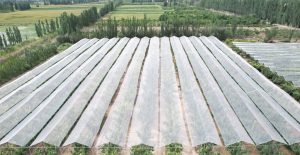
Tip: Using fish pond covers Kenya can reduce evaporation and maintain water quality.
Step 5: Acquire Equipment and Materials
Successful fish farming Kenya requires the right tools and materials:
-
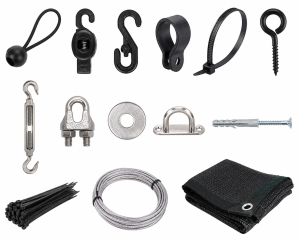
Pond Construction Equipment: Excavators, spades, and leveling tools.
-
Water Management Systems: Pumps, aerators, and pipes for circulation.
-
Feeding Equipment: Automatic feeders or manual feed trays.
-
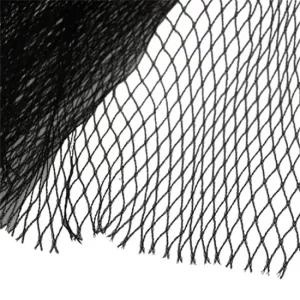
Fish Pond Covers and Nets: Protect fish from predators and prevent contamination.
-
Water Testing Kits: Monitor pH, dissolved oxygen, and ammonia levels.
Case Study: A farm in Nakuru used HDPE pond covers and automatic feeders, improving survival rates and reducing water loss.
Step 6: Source Quality Fingerlings
-
Purchase from reputable hatcheries to ensure healthy stock
-
Check for disease-free certification
-
Select fingerlings of uniform size to reduce competition and cannibalism
Keyword integration: Reliable fingerling supply is critical for a thriving fish farming Kenya business.
Step 7: Feeding and Nutrition
-
Tilapia: Feed with high-protein pellets, 3–5% of body weight daily
-
Catfish: Feed pellets or live feed based on species requirements
-
Maintain regular feeding schedule to avoid overfeeding and water contamination
Tip: Monitor fish growth and adjust feed quantities as they mature.
Step 8: Water Quality Management
Maintaining water quality is crucial for fish farming Kenya success:
-
Dissolved Oxygen: Aerators or water circulation systems prevent low oxygen stress.
-
pH Levels: Ideal range is 6.5–8 for most species.
-
Temperature: Tilapia thrive at 22–30°C; trout require cooler water.
-
Cleanliness: Remove debris, monitor for algae overgrowth, and change water if needed.
Tip: Use pond nets and covers to reduce debris and predators while maintaining water quality.
Step 9: Health Management and Disease Prevention
-
Regularly inspect fish for signs of disease (discoloration, lethargy, abnormal swimming)
-
Quarantine new stock before introducing to main ponds
-
Maintain optimal stocking density to reduce stress and disease outbreaks
-
Work with local veterinarians for vaccines and treatment
Keyword integration: Proactive health management ensures long-term success in fish farming Kenya.
Step 10: Harvesting and Marketing
-
Tilapia: Harvest at 6–8 months, depending on pond size and growth rate
-
Catfish: Harvest at 8–10 months for commercial size
-
Marketing Channels: Local fish markets, hotels, supermarkets, and online platforms
Tip: Branding your farm as a supplier of healthy, locally farmed fish improves sales and customer trust.
Cost Considerations for Starting a Fish Farming Business in Kenya
| Item | Estimated Cost (KES) |
|---|---|
| Land preparation & pond construction | 50,000–200,000 |
| Fingerlings (per 1,000) | 10,000–15,000 |
| Feed (per cycle) | 25,000–50,000 |
| Water pumps & aerators | 15,000–50,000 |
| Pond covers & nets | 20,000–60,000 |
| Miscellaneous (labor, tools) | 10,000–30,000 |
ROI: Farms often recoup costs within 6–12 months depending on scale and species, making fish farming Kenya a profitable venture.
Scaling Your Fish Farming Business
-
Increase pond numbers gradually based on demand
-
Introduce integrated systems (e.g., fish-cum-poultry farms)
-
Adopt automated feeding and water monitoring systems
-
Explore value addition: smoked or frozen fish for premium markets
Real-Life Success Stories
-
Kisumu Tilapia Farm:
Expanded from 500 to 2,500 tilapia, earning consistent revenue and supplying local restaurants.
-
Nakuru Catfish Farm:
Achieved higher survival rates using pond covers and aeration, increasing profits by 25% in one year.
-
Machakos Integrated Farm:
Combined fish farming with vegetable irrigation, reducing costs and diversifying income streams.
Why Choose Cougar Nets for Fish Farming Kenya
Cougar Nets provides complete solutions for fish farming Kenya, including:
-
Durable pond covers and nets to protect fish and conserve water
-
eTIMS-compliant products for regulatory compliance
-
Installation services across Nairobi, Kisumu, Mombasa, and surrounding counties
-
Expert advice on species selection, equipment, and farm management
-
Proven track record with Kenyan fish farms achieving higher yields and profitability
CTA: Start your fish farming Kenya business today with Cougar Nets’ high-quality products and expert installation.
Summary
Starting a fish farming Kenya business requires careful planning, quality equipment, good water management, and proper maintenance. By following this step-by-step guide:
-
Select the right species and farm type
-
Ensure water quality and feed management
-
Use pond covers and nets for protection
-
Monitor fish health and maintain optimal growth conditions
Investing in sustainable practices and quality products ensures a profitable, productive, and scalable fish farming business in Kenya.
CTA: Contact Cougar Nets to equip your fish farm with durable, eTIMS-compliant fish pond covers Kenya, nets, and installation services for a successful aquaculture venture.
Get Your Premium Netting Solutions Today!
For the best quality netting solutions for farming, construction, home, or any other project, look no further than Cougar Nets. Our team of experts is ready to help you choose the perfect product for your needs.
NATIONWIDE & EAST AFRICA DELIVERY AVAILABLE
- Premium quality nets for all applications
- Professional installation and expert advice
- Bulk orders and custom solutions available
- Serving Rwanda, Ethiopia, Uganda and beyond.
Contact Us for a Quote:
Cougar Nets
Email: sales@mft.co.ke | info@cougarnets.co.ke
Phone: +254 706 903 465
Visit Us: Darosa Plaza, Karen Rd, Nairobi
Website: https://cougarnets.co.ke/