No products in the cart.
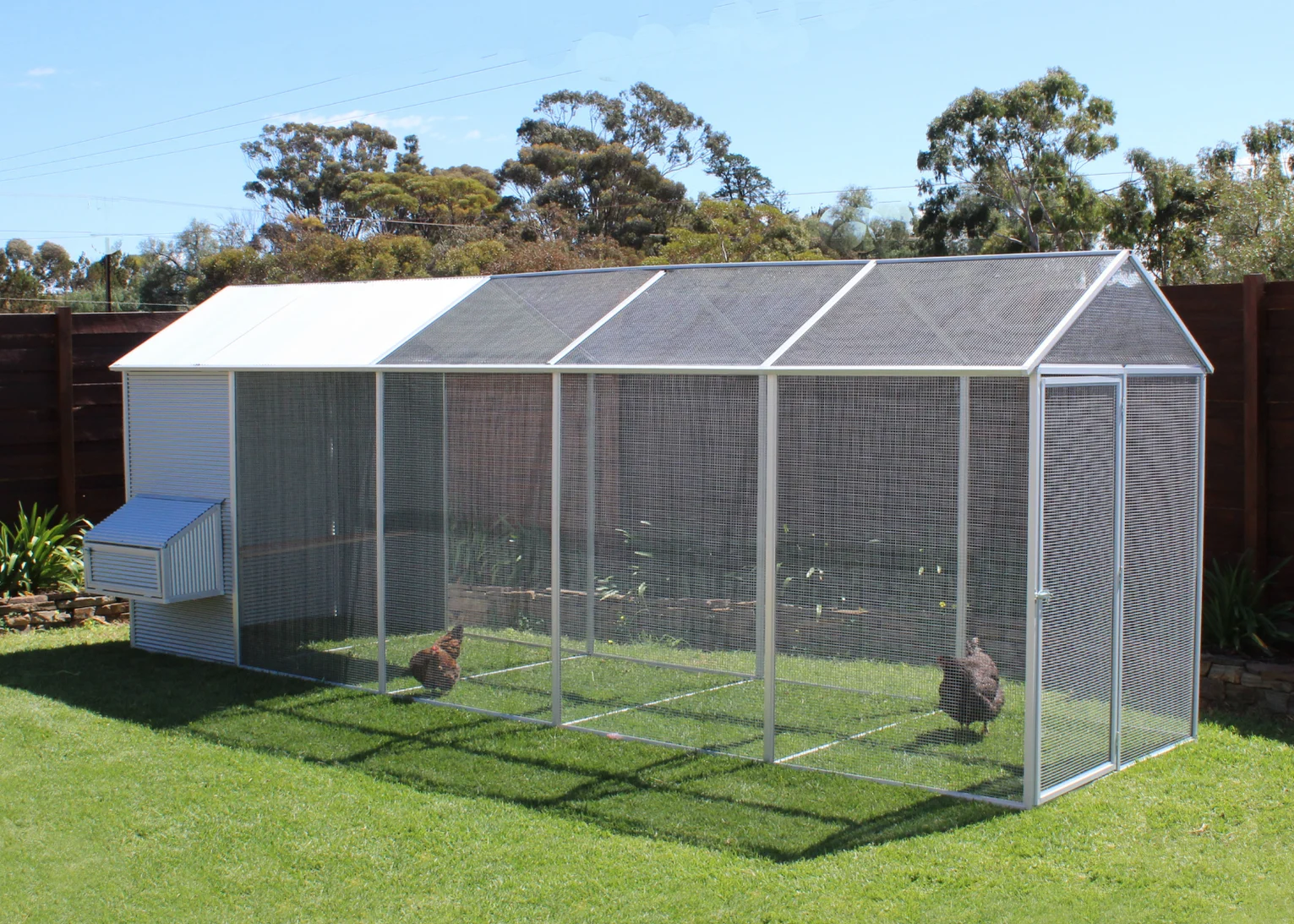
A backyard chicken coop is a small-scale poultry housing system designed for home or urban farming. In Kenya, a secure backyard chicken coop uses strong mesh fencing and proper ventilation to protect birds from predators, improve hygiene, and support efficient egg and meat production. A DIY poultry run with secure poultry fencing ensures safety, airflow, and easy management of chickens in residential and peri-urban areas.
Introduction
A well-designed backyard chicken coop in Kenya is one of the most practical ways for households to produce fresh eggs and poultry meat while maintaining low operating costs. Across Nairobi estates, Kiambu, Nakuru, and Kisumu, more homeowners are adopting DIY poultry systems that combine affordability with strong biosecurity.
Cougar Nets provides durable mesh fencing solutions that are ideal for secure poultry fencing, offering protection against predators while maintaining proper airflow in backyard setups.
Understanding Backyard Chicken Coop Systems
A backyard chicken coop is a compact poultry housing structure designed for limited space environments such as residential plots and urban farms. It typically includes a shelter, nesting area, feeding zone, and an enclosed poultry run.
The most important component is secure fencing, which prevents predator attacks and keeps chickens safely contained while allowing ventilation and sunlight exposure.
Farmers can explore suitable materials in the Poultry Farming category.
Importance of Secure Poultry Fencing
Secure poultry fencing is essential for protecting birds from predators such as dogs, snakes, rats, and birds of prey. It also prevents chickens from wandering into unsafe areas.
In Kenya, backyard poultry systems face additional risks from theft and environmental exposure, making reinforced mesh fencing a critical investment.
Mesh fencing also improves airflow, which reduces heat stress and supports healthier birds.
DIY Poultry Run Setup Checklist
Setting up a DIY poultry run requires careful planning to ensure safety and efficiency.
The structure should include strong perimeter fencing, a covered roof section for weather protection, and a secure feeding area. The ground should be either natural soil with proper drainage or reinforced with wire mesh beneath to prevent digging predators.
Farmers can combine fencing systems with protective coverings available in the Tarpaulin solutions category.
Materials Needed for Backyard Chicken Coop Setup
Essential materials include galvanized or PVC-coated mesh, wooden or metal framing poles, wire staples, hinges for doors, and roofing sheets or tarps for partial coverage.
High-quality tools for installation can be found in the Hardware category.
Durable fencing options are also available in the Home & Garden category.
Step-by-Step Backyard Coop Construction Guide
Start by selecting a dry, well-drained location with good sunlight exposure. Construct a frame using treated wood or metal pipes, ensuring stability against wind and external pressure.
Attach mesh fencing tightly around the frame, ensuring there are no gaps at ground level where predators could enter. Install a secure door with locking mechanisms.
Add a covered section for shelter during rain and excessive heat, especially in regions like Mombasa and coastal Kenya.
Choosing the Right Mesh for Backyard Poultry Runs
The mesh size determines both safety and ventilation.
A 1/2 inch mesh is ideal for chicks and maximum predator protection. A 1 inch mesh is best for adult backyard chickens because it balances airflow and security. Larger mesh sizes are suitable only for outer perimeter reinforcement.
PVC-coated mesh is recommended for long-term backyard installations due to its resistance to rust and UV damage.
Common Mistakes in Backyard Poultry Setup
One common mistake is using weak plastic netting that predators can easily break through. Another is leaving gaps at the base of the fencing, allowing rats and snakes to enter.
Poor ventilation planning can also lead to heat stress, especially in enclosed backyard spaces with limited airflow.
Benefits of a Secure Backyard Chicken Coop
A properly secured backyard chicken coop provides consistent egg supply, reduced feed costs through controlled feeding, improved bird health, and protection from predators.
It also allows households in urban and peri-urban Kenya to engage in sustainable poultry farming without requiring large land areas.
Regional Considerations in Kenya
In Nairobi and Kiambu, backyard coops must focus on space efficiency and odor control. In Nakuru and Eldoret, wind resistance and insulation are important due to cooler climates. In coastal areas like Mombasa, corrosion-resistant mesh is essential due to humidity and salt air exposure.
People Also Ask
What is the best mesh for a backyard chicken coop
The best mesh for a backyard chicken coop in Kenya is 1 inch PVC-coated mesh because it offers a balance of ventilation, durability, and predator protection suitable for most environments.
How do I make a DIY poultry run secure
A secure DIY poultry run requires strong mesh fencing, no ground gaps, proper locking doors, and reinforced corners to prevent predator entry and ensure bird safety.
Can chickens stay in a backyard coop full time
Yes, chickens can stay in a backyard coop full time as long as the system provides enough space, ventilation, clean water, and secure fencing for safety and comfort.
What size should a backyard chicken coop be
The size depends on flock size, but generally each chicken should have enough space to move freely, perch, and access nesting areas without overcrowding.
Contact Us
For expert support on backyard chicken coop setup, secure poultry fencing, and DIY poultry run materials across Kenya and East Africa, contact Cougar Nets.
Explore materials in the Shop, browse Poultry Farming solutions, or get guidance through the Contact page.
Get Your Premium Netting Solutions Today!
For the best quality netting solutions for farming, construction, home, or any other project, look no further than Cougar Nets. Our team of experts is ready to help you choose the perfect product for your needs.
NATIONWIDE & EAST AFRICA DELIVERY AVAILABLE
- Premium quality nets for all applications
- Professional installation and expert advice
- Bulk orders and custom solutions available
- Serving Rwanda, Uganda, Kenya (Nairobi, Eldoret, Kisumu) and beyond.
Contact Us for a Quote:
Cougar Nets
Email: sales@mft.co.ke | info@cougarnets.co.ke
Phone: +254 706 903 465
Visit Us: Darosa Plaza, Karen Rd, Nairobi
Website: https://cougarnets.co.ke/