No products in the cart.
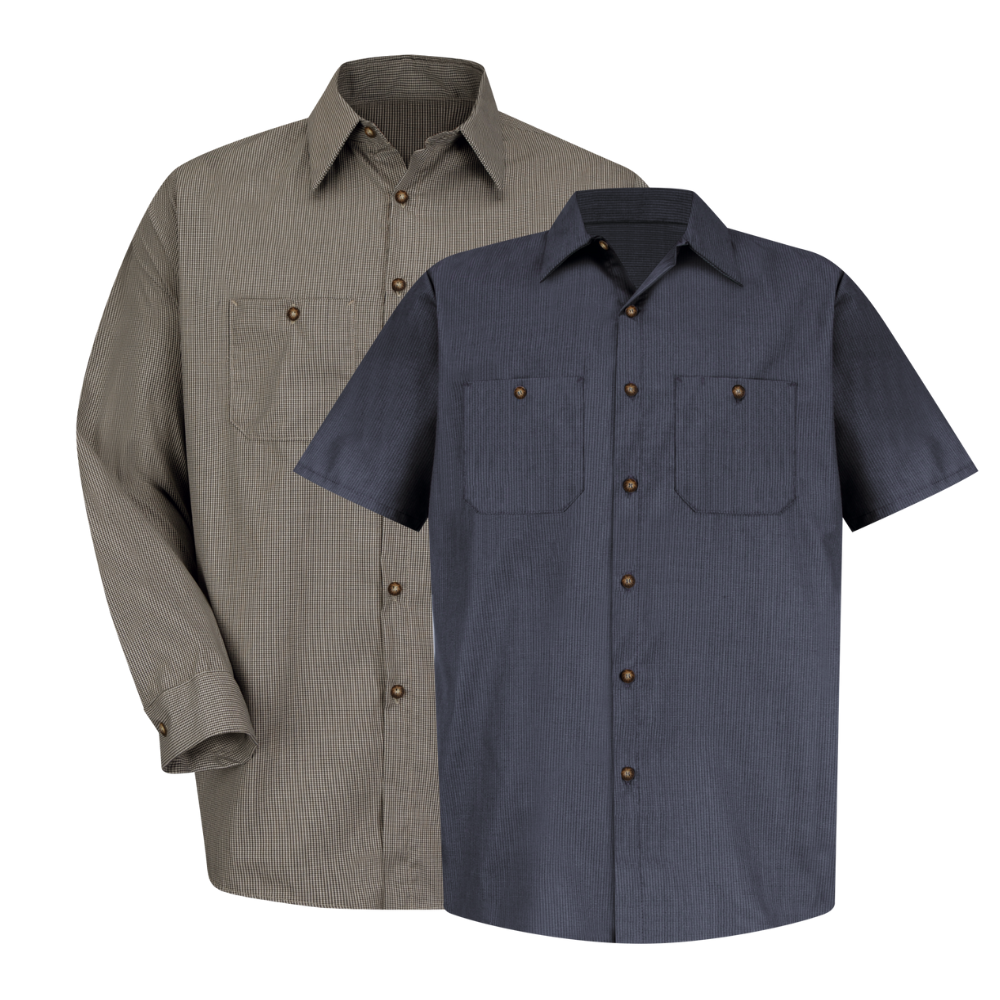
Introduction: Seasonal Farm Work and Worker Safety
Seasonal farm work in Kenya—ranging from maize harvesting in the Rift Valley to tea picking in Kericho and sugarcane cutting along the coast—requires physically demanding labor under changing climatic conditions. Proper apparel is essential for protecting workers from sun exposure, heavy rain, dust, pests, and sharp tools.
Cougar Nets supports farmers by providing high-quality farm safety gear, including protective clothing, gloves, and work boots, alongside shade nets and poultry mesh that improve both worker and crop protection. Investing in proper apparel ensures seasonal laborers remain healthy, safe, and productive.
Key Risks During Seasonal Farm Work
| Hazard Type | Examples | Impact |
|---|---|---|
| Sun & heat | UV exposure, dehydration | Heat stress, fatigue |
| Rain & moisture | Mud, waterlogged fields | Slips, fungal infections |
| Mechanical injury | Sharp tools, harvesting equipment | Cuts, bruises |
| Pesticide exposure | Fertilizers, herbicides, pesticides | Chemical burns, illness |
| Insect bites & animal hazards | Mosquitoes, snakes, rodents | Disease, injury |
Apparel must be selected to mitigate these risks effectively.
Essential Apparel for Seasonal Farm Work
Head and Face Protection
-
Wide-brim hats or caps for UV protection
-
Face shields when handling chemicals or machinery
-
Scarves or neck covers for dust and sun protection
Pairing with shade nets in working areas reduces heat exposure and further protects laborers.
Upper Body Apparel
| Garment Type | Use Case |
|---|---|
| Long-sleeve shirts | UV protection, abrasion resistance |
| Chemical-resistant jackets | Pesticide application |
| High-visibility vests | Roadside or mechanized harvesting operations |
Durable, breathable fabrics are preferred to balance protection and comfort.
Lower Body Apparel
-
Reinforced work trousers for mechanical protection
-
Waterproof pants for wet field conditions
-
Cut-resistant leggings for thorny crops or dense vegetation
In farms with livestock, integrating protective poultry mesh and netting reduces exposure to animals while complementing personal apparel.
Hand Protection
Gloves are critical for preventing cuts, chemical exposure, and blisters:
| Glove Type | Application |
|---|---|
| Leather gloves | Tool handling and general farm work |
| Nitrile gloves | Chemical handling |
| Cut-resistant gloves | Harvesting sharp crops |
Footwear Selection
Footwear protects against wet, muddy, or uneven terrain and heavy equipment:
-
Waterproof rubber boots for wet fields and irrigation areas
-
Reinforced leather or steel-toe boots for mechanized harvesting
-
Slip-resistant soles for safer movement
Integration with nylon ropes and safety gear ensures secure, accident-free operations around ponds and machinery.
Climate-Specific Considerations in Kenya
Dry, Hot Seasons (Nairobi, Rift Valley)
-
Lightweight, breathable fabrics
-
Light-colored apparel to reflect sunlight
-
Ventilated headgear for heat management
Wet, Humid Seasons (Western Kenya, Coastal Regions)
-
Waterproof outerwear and boots
-
Quick-drying fabrics
-
Anti-fungal linings to prevent infections
Seasonally appropriate apparel maintains comfort and reduces risk of heat or moisture-related illnesses.
Maintenance and Care of Farm Apparel
-
Wash and dry clothing regularly to remove dirt, pesticides, and sweat
-
Inspect for wear, tears, and chemical damage
-
Replace worn items to ensure continued protection
-
Store in dry, shaded areas to prevent material degradation
Proper care prolongs apparel life and maintains worker safety.
Benefits of Proper Seasonal Apparel
-
Improved Worker Safety: Reduces injuries, chemical exposure, and insect bites
-
Increased Productivity: Comfortable apparel allows longer, efficient work hours
-
Enhanced Compliance: Supports workplace safety regulations and best practices
-
Health Protection: Prevents heat stroke, fungal infections, and UV-related skin damage
-
Reduced Absenteeism: Healthy workers maintain farm continuity during peak seasons
Integration with Protective Farm Systems
Cougar Nets recommends combining proper apparel with infrastructure solutions for maximum safety:
-
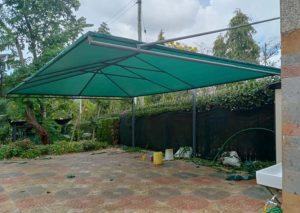
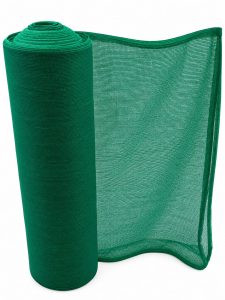
Shade Nets: Protect laborers during high-heat periods (Shade Nets)
-
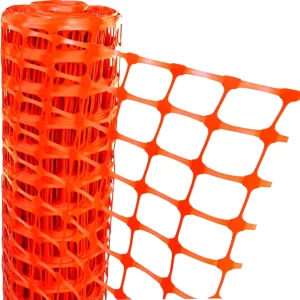
Poultry Mesh & Anti-Bird Nets: Limit animal interference and contamination (Poultry Mesh 400 GSM)
-
Construction Shade Nets: Provide temporary shelter for seasonal labor areas (Construction Shade Net)
-
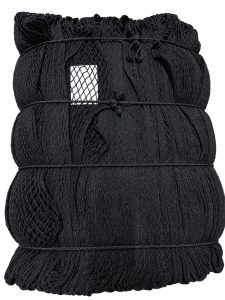
Fish Pond Cover Nets: Prevent accidents near waterlogged fields or aquaculture setups (Fish Pond Cover Net 33m × 14m)
-
Contact Us: Expert advice for apparel and infrastructure (Contact Us)
Frequently Asked Questions
Is protective apparel necessary for small-scale seasonal farms?
Yes. Even small-scale operations face UV exposure, insect bites, and chemical risks that proper apparel mitigates.
Can clothing alone replace other safety systems?
No. Apparel should complement nets, protective barriers, and proper work practices for full safety coverage.
How do I choose apparel for varying seasons?
Select lightweight, breathable fabrics for hot months and waterproof, insulated layers for wet or cooler periods. Consider local climate and type of farm work.
Mandatory Call to Action
Get Your Proper Farm Apparel Today!
Ensure your seasonal workers are protected and productive with high-quality apparel from Cougar Nets. Our team provides expert guidance on clothing, nets, and other safety solutions for agriculture and outdoor work.
Nationwide & East Africa delivery available.
Premium safety apparel and nets for all farm operations.
Professional advice and installation support.
Bulk orders and custom solutions available.
Serving Kenya (Nairobi, Eldoret, Kisumu), Uganda, Tanzania, Rwanda, South Sudan, Ethiopia, and beyond.
Contact Us for a Quote
Cougar Nets
Email: sales@cougarnets.com | info@cougarnets.com
Phone: +254 706 903 465
Visit Us: Darosa Plaza, Karen Rd, Nairobi
Website: https://cougarnets.co.ke/