No products in the cart.
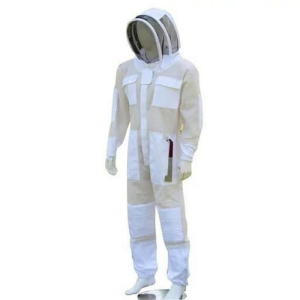
The role of protective apparel in animal handling safety cannot be overstated for farmers, veterinarians, and pet owners in Kenya. Handling animals without proper gear exposes workers to bites, scratches, zoonotic diseases, and contamination, which can compromise both human and animal health. Cougar Nets is a trusted supplier of durable, high-quality farming and pet accessories, including protective apparel, nets, cages, and gloves designed for East African climates.
This guide explores why protective gear is critical, identifies the types of apparel needed for different animal types, and provides best practices for maintaining safety and hygiene in farms and households.
H2: Why Protective Apparel is Critical in Animal Handling
Using proper protective apparel during animal handling is essential for multiple reasons:
| Risk | Impact | Protective Apparel Solution |
|---|---|---|
| Bites and scratches | Pain, infection, stress | Thick gloves, arm guards, full-body coverings |
| Zoonotic disease transmission | Human illness and livestock contamination | Disposable aprons, boots, gloves, face masks |
| Contamination | Spread of pathogens among animals | Washable and easily disinfected apparel |
| Stress to animals | Aggressive behavior or reduced productivity | Calm handling with proper gear that prevents accidental injuries |
In Kenya, where poultry, livestock, and aquaculture are major contributors to food security, using protective apparel safeguards both humans and animals.
H2: Types of Protective Apparel for Different Animal Types
Poultry
-
Gloves: Protect hands from pecking or scratches.
-
Aprons: Prevent contamination from manure or feed.
-
Boots: Durable footwear prevents slipping in wet pens.
Recommended Products:
-
Poultry Mesh for enclosures, paired with gloves and boots for handling.
-
Anti-Bird Net to minimize outdoor stress during handling.
Livestock (Cattle, Goats, Sheep)
-
Full-body Coveralls: Protect skin from scratches and disease.
-
Gloves & Arm Guards: Prevent injury during restraint.
-
Face Masks: Protect against airborne pathogens like avian influenza or anthrax.
Best Practice: Always wear durable boots when moving through wet or muddy pens.
Fish and Aquaculture
-
Waterproof Gloves: Prevent contamination when feeding or harvesting.
-
Waders or Waterproof Overalls: Keep handlers dry and safe from bacteria in ponds.
-
Safety Goggles: Protect eyes from splashes.
Recommended Products:
-
Fish Pond Cover Nets to reduce stress on fish while handling.
-
Aerator Pumps minimize the time handlers spend in water.
Birds & Aviaries
-
Gloves: Thick enough to prevent scratches from wings or beaks.
-
Long-Sleeved Protective Shirts: Prevent accidental injury.
-
Masks: Prevent inhalation of dust or droppings in enclosed aviaries.
Cougar Nets offers solutions for safely handling a variety of animals, ensuring compliance with hygiene and safety standards.
H2: Signs You Need Protective Apparel
Handlers may underestimate the importance of protective gear until problems arise. Common signs that new or better apparel is needed include:
| Sign | Explanation | Recommended Upgrade |
|---|---|---|
| Frequent Scratches or Bites | Current gloves or clothing are too thin | Heavy-duty gloves, arm guards, full-body suits |
| Illness After Handling | Exposure to animal-borne diseases | Disposable aprons, masks, and boots |
| Contaminated Clothing | Feathers, hair, or fish slime on regular clothes | Waterproof or easily washable apparel |
| Stressful Animals | Animals react aggressively | Proper gear for calm, controlled handling |
Early investment in protective apparel reduces handler injuries, animal stress, and long-term medical or veterinary costs.
H2: Material Selection for Protective Apparel
Choosing the right material ensures durability, comfort, and safety:
| Material | Benefits | Ideal Use | Lifespan in Kenya |
|---|---|---|---|
| PVC-coated fabrics | Waterproof, easy to clean | Fish handling, small livestock | 4–6 years in humid climates |
| HDPE fabrics | UV-resistant, lightweight, durable | Poultry and outdoor bird handling | 5–8 years in high UV regions |
| Rubber or nitrile gloves | Flexible, puncture-resistant | Poultry, fish, small mammals | 1–2 years depending on use |
Cougar Nets sources high-quality materials suitable for Kenya’s UV, humidity, and coastal conditions.
H2: Maintenance of Protective Apparel
Even premium protective apparel requires care to remain effective:
-
Wash After Each Use: Remove debris, manure, or slime to prevent disease spread.
-
Inspect for Damage: Replace torn gloves, cracked boots, or ripped aprons promptly.
-
Store Properly: Keep apparel in dry, shaded areas to prevent UV or mold damage.
-
Rotate Gear: Having multiple sets ensures safety even if one set is wet or damaged.
Regular maintenance ensures apparel continues to provide maximum protection and longevity.
H2: Benefits of Using Protective Apparel
Using proper protective gear provides tangible benefits:
| Benefit | Outcome |
|---|---|
| Reduced Injuries | Fewer bites, scratches, and stress-related accidents |
| Disease Prevention | Limits zoonotic disease transmission |
| Animal Welfare | Calmer handling reduces stress and improves productivity |
| Compliance | eTIMS invoices for apparel purchases aid in farm tax deductions |
| Cost Savings | Durable apparel reduces medical, veterinary, and replacement costs |
Combining protective apparel with proper housing like Poultry Mesh and Fish Pond Cover Nets ensures a fully safe environment for both animals and handlers.
Get Your Protective Apparel Today!
Ensure safety and hygiene while handling poultry, livestock, fish, or birds with premium protective apparel from Cougar Nets. Our products are designed for durability, comfort, and East African climates.
Nationwide & East Africa Delivery Available:
-
Gloves, aprons, boots, full-body suits for all animal types
-
Expert installation and advice on animal handling safety
-
Bulk orders and custom solutions available
-
Serving Kenya (Nairobi, Eldoret, Kisumu), Uganda, Tanzania, Rwanda, South Sudan, Ethiopia
Contact Us for a Quote:
-
Email: sales@cougarnets.com | info@cougarnets.com
-
Phone: +254 706 903 465
-
Visit Us: Darosa Plaza, Karen Rd, Nairobi
-
Website: https://cougarnets.co.ke/