No products in the cart.
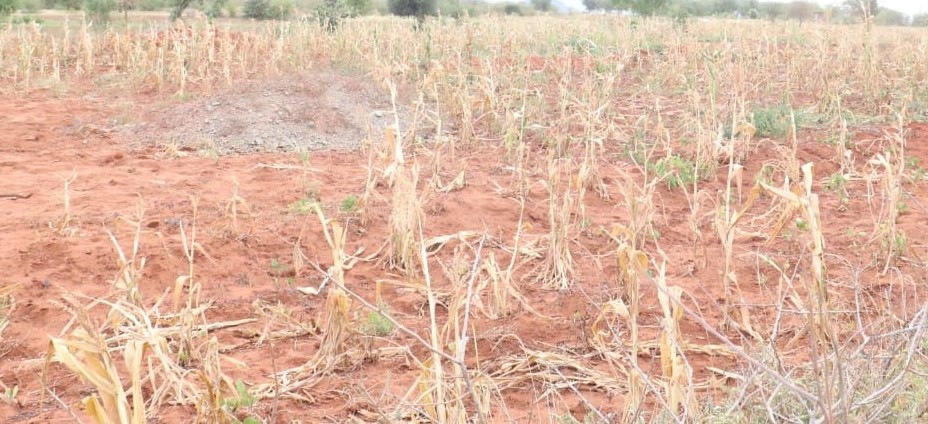
Seasonal weather patterns in Kenya, including rainy and dry seasons, significantly influence crop growth, livestock health, and farm productivity. Understanding these patterns allows farmers to plan planting, irrigation, and protective measures effectively. Cougar Nets provides high-quality nets and accessories that safeguard crops, poultry, and aquaculture from weather extremes while supporting sustainable farm management.
Introduction: The Role of Seasonal Weather in Kenyan Agriculture
Kenya’s agriculture is heavily dependent on seasonal rainfall patterns and temperature variations. Smallholder and commercial farmers face challenges from irregular rains, prolonged dry spells, and occasional floods. Effective farm planning requires adapting to these seasonal cycles to optimize yields, reduce losses, and ensure food security.
Cougar Nets offers protective solutions including shade nets, poultry mesh, anti-bird nets, fish pond covers, and trellis nets, designed to shield farms from climatic stress while improving microclimates. All products are provided with eTIMS-compliant invoices, enabling farm business compliance and investment tax deductions.
H2: Understanding Kenya’s Seasonal Weather Patterns
Kenya experiences two primary rainy seasons:
| Season | Months | Characteristics | Implications for Farming |
|---|---|---|---|
| Long Rains | March – May | Heavy, sustained rainfall | Ideal for maize, beans, and other staple crops |
| Short Rains | October – December | Intermittent rainfall | Suitable for vegetables and fast-growing crops |
Dry seasons occur in:
| Season | Months | Characteristics | Farming Implications |
|---|---|---|---|
| Cool Dry | June – August | Low rainfall, cooler temperatures | Irrigation needed, protect seedlings from frost in highlands |
| Hot Dry | January – February | High temperatures, evaporation | Shade nets recommended, water conservation critical |
Understanding these patterns is essential for planting schedules, irrigation planning, and protective measures.
H2: Effects of Seasonal Weather on Crops
-
Rainy Season Challenges: Soil erosion, nutrient leaching, and waterlogging.
-
Dry Season Challenges: Heat stress, reduced soil moisture, and slower germination.
| Crop | Best Season | Weather Risks | Protective Measures |
|---|---|---|---|
| Maize | Long rains | Waterlogging, fungal diseases | Shade Nets for nurseries |
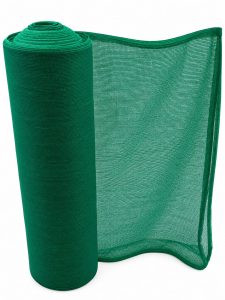
| Tomatoes | Short rains | Blossom drop from heat | 80% GSM Shade Net for microclimate |
| Leafy Vegetables | Short rains | Pest infestation | Insect Nets |
| Beans | Long rains | Waterlogging | Raised beds and proper drainage |
Using protective nets can buffer crops against excessive rainfall, sun, and pests, ensuring stable yields.
H2: Impacts on Livestock and Poultry
-
Heat Stress: Reduces milk production, egg-laying, and weight gain.
-
Cold Stress: In highland regions, livestock may suffer from reduced immunity.
-
Rain-Related Disease Risks: Increased humidity promotes respiratory and parasitic diseases.
Solutions:
-
Use Poultry Mesh for ventilated yet secure housing.
-
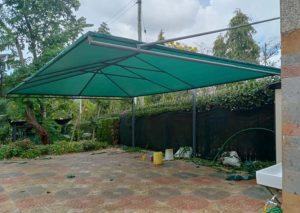
Cover animal shelters with Shade Nets to protect from sun and heavy rains.
-
Monitor water points to avoid contamination during wet seasons.
H2: Aquaculture and Seasonal Weather
Seasonal variations impact water levels, temperature, and dissolved oxygen in fish ponds.
| Season | Risk | Mitigation |
|---|---|---|
| Long Rains | Flooding, siltation | Elevated ponds, Fish Pond Cover Nets |
| Short Rains | Reduced water levels | Rainwater harvesting, aeration pumps (Aerator Pump) |
| Hot Dry | High evaporation | Shade nets, pond covers |
| Cool Dry | Reduced metabolic activity | Maintain optimal water temperature with partial shading |
Proper preparation ensures year-round aquaculture productivity.
H2: Preparing Your Farm for Seasonal Changes
Planning and Layout
-
Align planting schedules with rainy seasons.
-
Use raised beds to prevent waterlogging.
-
Protect nurseries with shade nets to stabilize temperature.
Irrigation Management
-
Install drip or sprinkler irrigation for dry spells.
-
Store rainwater for supplemental irrigation.
-
Cover water tanks and canals with anti-bird nets to reduce contamination.
Pest and Disease Control
-
Rotate crops to reduce pest cycles.
-
Install insect nets to protect seedlings.
-
Keep poultry and livestock shelters clean and ventilated.
H2: Protective Netting as a Seasonal Strategy
Nets provide a practical and sustainable way to adapt to seasonal weather:
-
Shade Nets: Reduce heat stress in dry seasons and prevent sunburn.
-
Insect Nets: Limit pest infestations during wet, humid periods.
-
Anti-Bird Nets: Protect crops and stored produce from wildlife.
-
Fish Pond Covers: Prevent flooding contamination and evaporation loss.
Integrating netting into seasonal farm planning enhances resilience and yields.
H2: Economic Considerations and eTIMS Compliance
-
Using protective nets reduces crop and livestock losses, providing cost savings.
-
Nets and equipment purchases are eTIMS-compliant, supporting business tax deductions.
-
Investment in durable nets and farm planning tools improves long-term farm profitability.
| Net Type | Seasonal Benefit | ROI (Years) |
|---|---|---|
| Shade Net 80% GSM | Reduces heat stress, stabilizes nursery crops | 2–3 |
| Poultry Mesh 400 GSM | Protects birds from seasonal predators | 1–2 |
| Fish Pond Cover | Minimizes evaporation, contamination | 2–3 |
| Anti-Bird Net | Prevents bird damage during harvest | 2 |
H2: Local Case Studies
-
Nairobi Highlands: Farmers use shade nets for tomato nurseries during hot dry spells, improving seedling survival by 30%.
-
Kisumu Lowlands: Anti-bird nets over rice fields during short rains reduce bird predation by 25%.
-
Mombasa Coastal Farms: Fish pond covers and aeration pumps maintain water quality through high rainfall periods.
These practical applications demonstrate how netting and seasonal planning enhance farm productivity across Kenya.
Conclusion
Seasonal weather patterns in Kenya significantly influence crops, livestock, and aquaculture. By understanding these cycles and implementing adaptive measures, including shade nets, poultry mesh, insect nets, anti-bird nets, fish pond covers, and trellis nets, farmers can mitigate risks, improve yields, and protect their investments. Cougar Nets provides durable products, expert guidance, and eTIMS-compliant documentation, ensuring your farm is resilient and productive year-round.
CTA: Get Your Seasonal Farm Protection Solutions Today!
Prepare your farm for any season with Cougar Nets. We provide premium nets, expert advice, and nationwide delivery to ensure your farm remains productive and resilient.
Nationwide & East Africa Delivery Available
Premium quality nets for all applications
Professional installation and expert advice
Bulk orders and custom solutions available
Serving Kenya (Nairobi, Eldoret, Kisumu), Uganda, Tanzania, Rwanda, South Sudan, Ethiopia, and beyond
Contact Us for a Quote:
Email: sales@cougarnets.com | info@cougarnets.co.ke
Phone: +254 706 903 465
Visit Us: Darosa Plaza, Karen Rd, Nairobi