No products in the cart.

Introduction
Choosing the right shade net — whether for a farm greenhouse, open‑field crops, nursery beds, or a construction site — can make a huge difference in plant viability, yield, protection, and long-term durability. In Kenya and across East Africa, sunlight, heat, seasonal rains, and UV exposure challenge both crops and structures. A high‑quality shade net offers light and temperature control, pest defense, and weather resilience. But not all shade nets are the same. To get value for money and optimal performance, you must consider a range of factors: shade percentage, material quality, net colour, mesh type, and intended use. This guide helps you understand those factors objectively — and choose the right shade net for your needs.
What Is a Shade Net — Materials & Key Specifications
Before diving into applications, it’s important to understand what shade nets are made of and why specifications matter.
-
Most durable shade nets are manufactured from high-density polyethylene (HDPE), often UV‑stabilized to resist degradation under strong sun. ysnetting.com+2Grekkon+2
-
Shade nets are typically knitted (knitted nets tend to be more flexible and tear-resistant) but some may be woven depending on design needs. Grekkon+1
-
Shade nets are defined by their shade percentage (also described as shade factor or shading rate), indicating roughly how much sunlight they block. Shade nets in Kenya commonly offer shade rates from ~30 % up to 90 %. Grekkon+2Grekkon Limited+2
-
Higher‑grade nets should be UV-treated and made using virgin (or high‑quality) HDPE; nets made with recycled plastic or without proper UV stabilization tend to fade, tear or shrink — reducing lifespan and effectiveness. ysnetting.com+1
Understanding these basics ensures you buy shade nets that last and perform under tropical climates.
Determining the Right Shade Percentage: What Your Use Case Requires
Choosing the right shade net means matching the shading rate to your application. Below is a practical guide based on use type.
For Agriculture & Crop Farming
-
Sun‑loving crops (e.g. tomatoes, peppers, cucumbers, many vegetables): go for light shading — around 30 % to 50 %. This allows ample sunlight while tempering heat stress. sjzshuorui.com+2Agrishade+2
-
Leafy greens, herbs, ornamentals, potted plants: generally benefit from 50 % to 70 % shade, as they prefer moderate light but can suffer under intense midday sun. shadenet.com+2agricultureshadenets.co.ke+2
-
Nurseries, seedlings, shade‑loving plants (e.g. orchids, ferns): choose heavier shade nets — 75 % to 90 %, especially in hot low‑altitude zones or for young, delicate plants. Grekkon+2Greenhouse Kenya Company: +254723053026+2
The stage of growth matters: seedlings and young plants usually need more shading; mature plants might tolerate or prefer more light. grekkon.com+1
For Construction Sites / Built Environments / Shade Houses
-
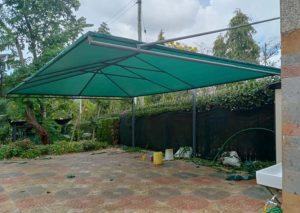
For applications such as scaffolding protection, temporary shelters, shade houses, or car‑parking covers — where the goal is to reduce sun exposure, dust, or debris — 70 % to 90 % shade nets are generally preferred for maximum protection and cooling effect. Agrishade+2Hortitechno greenhouses+2
-
In greenhouse agriculture (under a built structure), shade nets often serve to regulate internal temperature and light without blocking essential sunlight — 30 % to 50 % shade is common. shadenet.com+2Aqua Hub Kenya.+2
Colour, Mesh Type & Additional Features: What to Check
Shade nets vary not just by shade percentage, but also by mesh type, net colour, and build features. These affect performance depending on your needs.
-
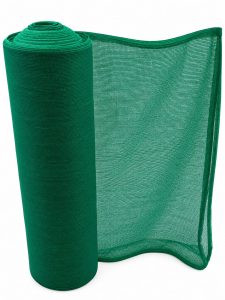
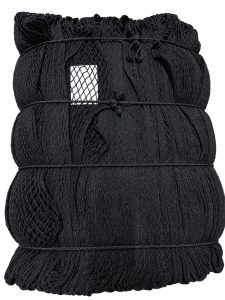
Colour: Black and green are the most common. Black nets absorb more heat and block more light — good for maximum shading or heat reduction. Green nets blend well with farm landscapes and are widely used for crop shading. Grekkon+2Aqua Hub Kenya+2
-
White (or light-colour) nets — though less common in some markets — are used in greenhouses to diffuse light and reduce temperature, benefiting ornamental plants or flowering crops. shadenet.com+1
-
Mesh type – knitted vs woven: Knitted nets are more flexible, tear-resistant, and easier to install on irregular structures; woven nets may be denser and offer more uniform shade, but may be less flexible. Grekkon+1
-
Durability & UV treatment: Especially in harsh climates like Kenya’s, choose nets with UV stabilization and good build quality (reinforced edges/eyelets, solid stitching) to resist sun damage, wind, and long-term wear. ysnetting.com+2grekkon.com+2
-
Ventilation and airflow: For crops, good air circulation is key — nets with appropriate mesh design let air pass, reducing humidity, fungal risk, and overheating under the net. This is especially important in greenhouses or dense plantings. shadenet.com+1
Application Scenarios: Matching Shade Nets to Real-world Uses
Here’s a breakdown of common use cases — from farms to construction — and how to match them with the ideal shade net type.
| Use Case | Recommended Shade Net % / Type | Key Considerations |
|---|---|---|
| Vegetable farming (sun-loving crops) | 30–50% | Ensure enough sunlight for photosynthesis; good ventilation |
| Leafy vegetables / herbs / potted plants | 50–70% | Moderate shade, balance light & temperature |
| Nurseries / seedling hardening / ornamentals (ferns, orchids) | 75–90% | Protect tender plants, reduce heat & UV stress |
| Greenhouse ventilation (tomatoes, peppers under cover) | 30–50% (white/green nets) | Light diffusion, airflow, temperature regulation |
| Construction site shading / scaffolding / storage shelter / car parking shade | 70–90% | High density net for heat, debris, and UV protection; strong mesh & anchoring |
| Livestock shade / animal housing | 75–90% | Heat reduction, UV protection, ventilation |
Why Material Quality (HDPE, UV Stabilization) Matters for Kenya & East Africa
Kenya’s climate — with strong equatorial sunlight, occasional heavy rains, and varying seasons — demands durable shade nets. Here’s why investing in quality matters:
-
UV‑treated HDPE lasts longer. Nets exposed to intense sunlight degrade over time if not UV-stabilized. Good nets maintain structure, shade percentage, and strength over years. ysnetting.com+1
-
Resilience against weather — wind, rain, heat. Quality shade nets resist tearing, sagging, and stretching during storms or windy seasons. agricultureshadenets.co.ke+2grandnets.com+2
-
Reliability across seasons. For farms that run year-round, and construction or storage sites that need long-term shade, durable nets pay off over time rather than cheap nets that may need frequent replacement. Greenhouse Kenya Company: +254723053026+2grekkon.com+2
How to Evaluate Shade Net Suppliers — What to Ask Before Buying
When purchasing your shade net, especially for large-scale farming, construction, or greenhouse setups, here are key questions to ask your supplier (and why they matter):
-
Is the net made of virgin HDPE and UV-stabilized? — To ensure long lifespan and resistance to sun damage.
-
What is the exact shade percentage, and is it certified or measured? — So you match it properly to your crop or application.
-
What mesh type is used — knitted or woven? — Depending on flexibility, strength, and intended structure.
-
Are edges reinforced, and does the net come with eyelets/ties for installation? — To simplify installation and improve durability (especially against wind).
-
Can I get advice on what percentage fits my crop / climate / location? — Good suppliers should advise based on your region, farm altitude, and crop needs.
-
What are the net dimensions (roll size, width, length)? — To ensure you get enough coverage and minimize wastage.
-
Is installation service available (if needed)? — For large setups (greenhouses, shade houses, construction sites), professional installation ensures safety and correct tensioning.
Choosing the right supplier — like Cougar Nets — makes planning, installation, and long‑term performance much easier.
Common Mistakes to Avoid When Selecting Shade Nets
Even experienced users sometimes make avoidable mistakes. Here are pitfalls to watch out for:
-
Buying the wrong shade percentage (e.g. heavy shade for sun‑loving crops) — leads to stunted growth or low yield.
-
Choosing cheap nets made with recycled plastics or non‑UV-treated material — may tear, shrink, or degrade quickly under strong sun.
-
Ignoring net mesh type or structure strength — may result in sagging nets, poor ventilation, or damage from wind/rain.
-
Overlooking installation requirements — nets not properly secured can flap in wind, cause damage to crops or structure.
-
Not considering climate or seasonal variation — what works in a cool highland may fail in a hot lowland; nets may need upgrading or changing per season.
Why Choose Cougar Nets for Your Shade Net Needs
At Cougar Nets, we understand the unique demands of farms, nurseries, construction sites, and greenhouse setups across Kenya and East Africa. Our shade nets are engineered for performance:
-
Premium UV‑stabilized HDPE construction for long lifespan.
-
Wide range of shade percentages (from light 30% nets to heavy 90% shading) — ideal for any crop, nursery, or structural need.
-
Durable knitted mesh with reinforced edges and installation-ready features.
-
Expert advice on matching shade nets to your crop type, climate, and project needs.
-
Delivery across Kenya and East Africa, and ability to supply bulk orders or custom sizes.
Whether you’re a smallholder farmer, greenhouse operator, nursery manager, or construction site supervisor — we offer the right shade net solution for you.
Conclusion & Recommendations
Selecting the right shade net isn’t just about grabbing the cheapest roll you find. It’s about understanding your crop or project’s light, heat, and environmental needs — and matching them with the net’s shade percentage, material quality, mesh type, colour, and supplier reliability. In Kenya’s varied climates from highlands to lowlands, a one‑size‑fits-all mentality rarely works.
If you match your crop or project needs correctly — whether that’s a 35% net for sun‑loving vegetables, 75–90% for nurseries or shade houses, or a heavy‑duty 90% net for construction shading — you’ll enjoy better yields, longer net life, lower maintenance, and greater return on investment.
CTA
Get Your Premium Netting Solutions Today!
For the best quality netting solutions for farming, construction, home, or any other project, look no further than Cougar Nets. Our team of experts is ready to help you choose the perfect product for your needs.
NATIONWIDE & EAST AFRICA DELIVERY AVAILABLE
Premium quality nets for all applications
Professional installation & expert advice
Bulk orders & custom solutions available
Serving Kenya (Nairobi, Mombasa, Kisumu), Uganda, Tanzania, Rwanda & beyond.
Contact Us for a Quote:
Cougar Nets
Email: sales@cougarnets.com | info@cougarnets.com
Phone: +254 706 903 465
Visit Us: Darosa Plaza, Karen Rd, Nairobi
Website: https://cougarnets.co.ke/