No products in the cart.

Shade net vs anti frost net is a common comparison among farmers in Kenya and East Africa looking for reliable crop protection solutions. While both agricultural netting systems help improve crop performance, they are designed for completely different weather conditions. Shade nets reduce sunlight and heat stress, while anti-frost nets provide thermal insulation to prevent crop frostbite during cold seasons in regions such as Eldoret, Limuru, Nairobi, and other highland farming areas.
Many farmers in Kenya and East Africa mistakenly assume shade nets and anti-frost nets perform the same function. However, these agricultural materials are engineered for completely different environmental conditions. In regions such as Nairobi, Eldoret, Limuru, and parts of Rwanda and Tanzania, choosing the correct agricultural netting can determine whether crops thrive or suffer weather damage. Understanding the difference between shade net vs anti frost net systems helps farmers improve crop survival, greenhouse efficiency, and year-round productivity while reducing losses caused by heat stress or frostbite.
Benefits of Shade Nets in Kenya
Shade nets are primarily designed to reduce excessive sunlight, lower temperatures, and protect crops from harsh UV exposure. They are commonly used in horticulture, nurseries, greenhouses, and poultry farming across East Africa.
Key Advantages of Shade Nets
- Reduce heat stress on crops
- Improve moisture retention in soil
- Lower greenhouse temperatures
- Protect seedlings from scorching sunlight
- Improve vegetable quality and growth rates
- Reduce water evaporation
Farmers in hot areas such as Mombasa and Kisumu rely heavily on shade nets for growing tomatoes, capsicum, spinach, herbs, and leafy vegetables.
Useful farming categories:
What Are Anti-Frost Nets Used For?
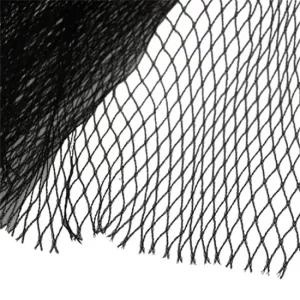
Anti-frost nets, also called thermal screens for agriculture or winter farming netting, are designed to protect crops against cold temperatures and frost formation.
These nets help:
- Retain warm air around crops
- Reduce frost accumulation
- Prevent crop frostbite
- Stabilize greenhouse temperatures
- Protect sensitive seedlings during cold nights
Anti-frost nets are particularly valuable in:
- Eldoret
- Limuru
- Central Kenya highlands
- Rwanda high-altitude farming zones
- Southern Tanzania farming regions
Commercial flower farms and greenhouse vegetable producers often combine thermal screens with greenhouse covers to improve winter production.
Shade Net vs Anti Frost Net: Material Differences
Understanding the structural differences between these agricultural netting materials is critical when selecting the right protection system.
| Feature | Shade Nets | Anti-Frost Nets |
|---|---|---|
| Main Purpose | Reduce sunlight & heat | Retain heat & prevent frost |
| Material Type | UV-stabilized woven mesh | Thermal insulating fabric |
| Climate Suitability | Hot climates | Cold climates |
| Airflow | High ventilation | Controlled ventilation |
| Heat Effect | Cooling | Heat retention |
| Typical Use | Nurseries & greenhouses | Winter crop protection |
| UV Blocking | High | Moderate |
| Moisture Control | Moderate | High humidity retention |
One of the biggest mistakes farmers make is using ordinary shade netting as frost protection. Shade nets do not provide sufficient thermal insulation during freezing temperatures.
How to Choose Between Shade Net vs Anti Frost Net
Selecting the right winter farming netting depends on your region, crop type, and seasonal conditions.
1. Analyze Your Climate
Hot Regions
Best option:
- Shade nets
Suitable for:
- Mombasa
- Kisumu
- Coastal farming areas
Cold Highland Regions
Best option:
- Anti-frost nets
Suitable for:
- Eldoret
- Limuru
- Nyandarua
- Mount Kenya farming zones
2. Consider Crop Sensitivity
Crops That Benefit from Shade Nets
- Tomatoes
- Lettuce
- Herbs
- Spinach
- Capsicum
Crops That Benefit from Anti-Frost Nets
- Strawberries
- Flowers
- French beans
- Tree seedlings
- Greenhouse vegetables
3. Check Durability & UV Resistance
High-quality agricultural netting should provide:
- UV stabilization
- Tear resistance
- Weather durability
- Long-term outdoor performance
For complete weather protection systems, many farms also use:
Best Agricultural Netting for Different Uses
Shade Net vs Anti Frost Net for Greenhouse Farming
Greenhouses in Nairobi and Central Kenya often use:
- Shade nets during dry seasons
- Anti-frost nets during cold periods
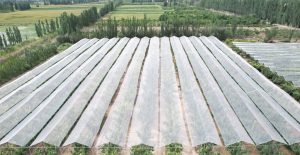
This combination improves crop consistency throughout the year.
Poultry Farming
Shade nets help regulate temperatures in poultry houses and reduce heat stress.
Useful poultry solutions include:
Fish Farming & Aquaculture
Aquaculture farms also use weather protection systems and agricultural netting.
Related products:
Shade Nets vs Plastic Covers: Which Is Better?
Many farmers ask whether shade netting can replace greenhouse plastic or thermal covers.
Shade Nets Are Best For:
- Heat reduction
- Ventilation
- UV filtering
- Air circulation
Anti-Frost Covers Are Best For:
- Heat retention
- Frost prevention
- Cold weather farming
- Winter greenhouse protection
For complete weather control systems, combining thermal netting with:
- Hardware & Building Materials
can improve long-term greenhouse performance.
Practical Tips for Preventing Crop Frostbite
Shade Net vs Anti Frost Net in Cold Weather Agriculture
- Install anti-frost nets before cold seasons begin
- Cover seedlings overnight during frost warnings
- Avoid excessive pruning before winter
- Use greenhouse thermal screens for temperature stability
- Maintain proper irrigation management
- Monitor humidity levels carefully
Farmers in highland Kenya increasingly use crop frost protection netting to maintain vegetable and flower production throughout colder months.
Where to Buy Agricultural Netting in Kenya
When buying agricultural netting, choose suppliers offering:
- UV-stabilized materials
- Professional farming advice
- Durable commercial-grade products
- East Africa delivery support
Useful links:
- Cougar Nets Online Shop
- Contact Cougar Nets Experts
- Frequently Asked Questions
- Customer Cart & Orders
Frequently Asked Questions
What is the difference between shade net vs anti frost net?
Shade nets reduce sunlight and temperature, while anti-frost nets retain warmth and protect crops from freezing conditions. They are designed for opposite weather challenges in agriculture.
Can shade nets prevent crop frostbite?
No. Shade nets are not designed for thermal insulation. Farmers should use specialized crop frost protection netting or thermal screens during cold weather.
Which crops require anti-frost nets?
Sensitive crops such as strawberries, flowers, tree seedlings, French beans, and greenhouse vegetables benefit most from anti-frost netting.
Are anti-frost nets suitable for greenhouse farming?
Yes. Thermal screens and anti-frost nets are widely used in greenhouses to stabilize temperatures and protect crops from sudden cold damage.
What shade percentage is best for vegetable farming?
Most vegetable farmers in Kenya use 35% to 50% shade nets depending on crop sensitivity and local climate conditions.
Can farmers use both shade nets and anti-frost nets together?
Yes. Many commercial farms use shade nets during hot seasons and anti-frost nets during cold periods for year-round crop protection.
Do agricultural nets last outdoors?
High-quality UV-stabilized agricultural nets can last several years outdoors when installed correctly and maintained properly.
Contact Us
Get Your Premium Netting Solutions Today! For the best quality netting solutions for farming, construction, home, or any other project, look no further than Cougar Nets. Our team of experts is ready to help you choose the perfect product for your needs.
NATIONWIDE & EAST AFRICA DELIVERY AVAILABLE
Premium quality nets for all applications
Professional installation and expert advice
Bulk orders and custom solutions available
Serving Kenya (Nairobi, Eldoret, Kisumu), Uganda, Tanzania, Rwanda, South Sudan, Ethiopia and beyond.
Contact Us for a Quote:
Cougar Nets
Email: sales@cougarnets.com | info@cougarnets.com
Phone: +254 706 903 465
Visit Us: Darosa Plaza, Karen Rd, Nairobi
Website: https://cougarnets.co.ke/
eTIMS Compliance: All Cougar Nets purchases are supported by valid eTIMS invoices, essential for business tax deductions in 2026. Request your tax invoice at checkout or email sales@mft.co.ke.