No products in the cart.
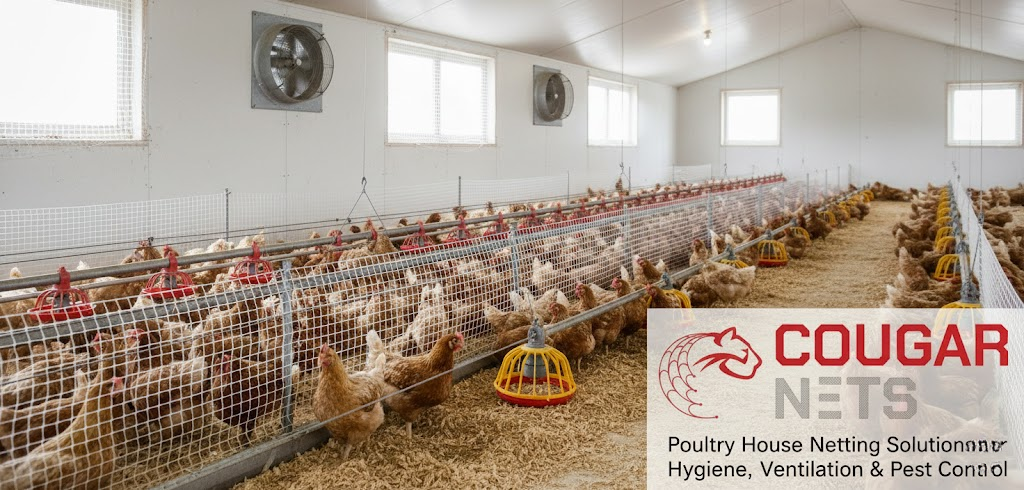
Poultry house netting is a breathable mesh system used in chicken houses to improve ventilation while blocking pests, wild birds, and predators. In Kenya’s diverse climates, high-quality poultry mesh helps maintain flock hygiene, reduce disease risk, and improve productivity in both small-scale and commercial poultry farms.
Why Poultry House Netting Is Critical for Modern Poultry Farming
Effective hygiene and airflow are two of the most decisive factors in successful poultry production. Across Kenya and East Africa, farmers are increasingly adopting poultry house netting as a core structural component of well-managed chicken coops. Whether raising layers, broilers, or indigenous chickens, poor ventilation and uncontrolled pest entry directly lead to heat stress, disease outbreaks, and reduced feed conversion efficiency.
Cougar Nets has established itself as a leading supplier of poultry mesh and farm netting solutions in Kenya, supporting poultry farmers with durable, breathable, and climate-adapted products. From backyard setups to large commercial houses, poultry netting is now recognized as a hygiene tool—not just a physical barrier.
Understanding Poultry Hygiene Challenges in Kenyan Chicken Houses
Poultry houses in Kenya face a unique combination of environmental pressures:
-
High daytime temperatures in lowland and peri-urban areas
-
Cold nights in high-altitude regions such as Limuru and Eldoret
-
Airborne dust and ammonia buildup
-
Entry of wild birds carrying Newcastle and avian influenza
-
Predators such as rodents, snakes, and mongooses
Traditional solid walls restrict airflow, trapping heat and moisture. Open structures without protection invite pests. Poultry house netting provides a controlled middle ground.
What Is Poultry House Netting and How Does It Work?
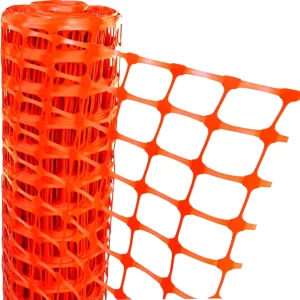
Poultry house netting refers to plastic or polymer mesh installed on poultry house sides, ventilation openings, and partitions. Its function is to regulate airflow while preventing unwanted entry.
Core Functions of Poultry Mesh
-
Allows continuous natural ventilation
-
Blocks wild birds and rodents
-
Reduces insect entry
-
Prevents chicks from escaping
-
Improves light distribution
Cougar Nets supplies specialized poultry mesh designed for agricultural use, not repurposed construction or fencing materials.
Ventilation Control: Keeping Chickens Cool and Stress-Free
Heat stress is one of the biggest silent killers in poultry farming. Birds lack sweat glands and rely heavily on airflow for temperature regulation.
How Poultry House Netting Improves Ventilation
-
Enables cross-ventilation across the house
-
Prevents stagnant air pockets
-
Reduces ammonia concentration from droppings
-
Maintains oxygen-rich airflow
In hot regions such as Machakos, Kitui, and parts of Rift Valley, farms using mesh-sided houses report improved feed intake and lower mortality.
Pest and Wild Bird Exclusion for Disease Prevention
Wild birds are major carriers of poultry diseases. Once they access feeders or perching areas, they contaminate surfaces and water sources.
Key Threats Blocked by Poultry Netting
-
Sparrows and pigeons
-
Rats and mice
-
Snakes
-
Flying insects
High-quality poultry house netting reduces disease transmission risk, particularly when combined with insect nets and controlled entry points.
Technical Comparison: Poultry Mesh Specifications
GSM and Strength Comparison
| Mesh Type | GSM | Typical Use | Durability |
|---|---|---|---|
| Light Mesh | 200–250 GSM | Temporary coops | Low |
| Medium Mesh | 300 GSM | Small to medium houses | Moderate |
| Heavy Poultry Mesh | 400 GSM | Commercial houses | High |
Cougar Nets’ Plastic Poultry Mesh 300 GSM and Poultry Mesh 400 GSM are engineered for long-term outdoor exposure and repeated cleaning.
HDPE Poultry Netting vs Wire Mesh
Many farmers still use wire mesh, but plastic poultry netting offers significant advantages.
| Feature | Poultry House Netting (HDPE) | Wire Mesh |
|---|---|---|
| Ventilation | Excellent | Good |
| Rust Risk | None | High |
| Injury Risk | Low | Moderate |
| Installation | Easy | Labor-intensive |
| Longevity | High (UV-stabilized) | Moderate |
Plastic poultry mesh is safer for birds, easier to maintain, and better suited to humid or coastal environments.
Climate Performance Across Kenya
Poultry house netting performs differently depending on location:
-
Nairobi & Kiambu: Controls cold drafts while maintaining airflow
-
Rift Valley: Handles strong winds and temperature swings
-
Western Kenya: Resists moisture and fungal growth
-
Coastal regions: UV-stable and corrosion-free
Cougar Nets designs its poultry netting to withstand Kenya’s high UV index and variable weather patterns.
Installation Best Practices for Poultry House Netting
Proper installation determines effectiveness and lifespan.
Recommended Installation Guidelines
-
Fix mesh tightly to prevent sagging
-
Use UV-stabilized nylon ropes or fasteners
-
Raise netting at least 30 cm above ground to reduce rodent pressure
-
Reinforce corners and door frames
Professional installation reduces tearing and improves long-term hygiene control.
Integration With Other Poultry Farming Systems
Poultry house netting works best when integrated into a complete biosecurity setup.
Complementary Solutions
-
Anti-bird nets for roof and open runs
-
Shade nets to reduce heat stress
-
Construction shade nets for temporary housing
-
Automatic egg incubators for hatchery operations
Cougar Nets provides a unified ecosystem of agricultural netting products through its Shop.
Maintenance and Cleaning for Hygiene
Poultry mesh requires minimal maintenance:
-
Wash with water and mild disinfectant
-
Does not absorb moisture
-
No rust or corrosion
-
Resistant to chemical cleaning agents
This simplifies routine hygiene protocols and reduces labor costs.
Compliance and eTIMS Invoicing
All poultry house netting purchased from Cougar Nets is issued with valid eTIMS-compliant invoices, supporting:
-
Farm expense documentation
-
Business tax deductions
-
Audit and compliance requirements
This is increasingly important for registered poultry businesses in 2026.
Economic Benefits for Poultry Farmers
While poultry netting is a modest investment, its financial impact is significant.
Value Outcomes
-
Reduced disease outbreaks
-
Lower mortality rates
-
Improved growth and egg production
-
Reduced veterinary costs
Most farms recover the cost within one production cycle.
Who Should Use Poultry House Netting?
-
Layer farms
-
Broiler operations
-
Indigenous chicken farmers
-
Hatcheries
-
Training institutions
Both smallholders and commercial producers benefit equally from improved airflow and biosecurity.
Why Cougar Nets Is the Authority in Poultry House Netting
-
Specialized agricultural-grade materials
-
Proven performance across Kenya and East Africa
-
Durable, UV-stabilized poultry mesh
-
Professional technical support
-
Reliable nationwide delivery
Visit the Home page to explore solutions or contact the team for expert guidance.
Frequently Asked Questions About Poultry House Netting
Does poultry netting reduce airflow?
No. It improves controlled airflow while blocking pests.
Can it be used for free-range runs?
Yes, especially when combined with overhead anti-bird nets.
How long does poultry mesh last?
Typically 5–7 years with proper installation.
For the best quality netting solutions for farming, construction, home, or any other project, look no further than Cougar Nets. Our team of experts is ready to help you choose the perfect product for your needs.
Nationwide & East Africa Delivery Available
Premium quality nets for all applications
Professional installation and expert advice
Bulk orders and custom solutions available
Serving Kenya (Nairobi, Eldoret, Kisumu), Uganda, Tanzania, Rwanda, South Sudan, Ethiopia and beyond.
Contact Us for a Quote
Cougar Nets
Email: sales@cougarnets.com | info@cougarnets.com
Phone: +254 706 903 465
Visit Us: Darosa Plaza, Karen Rd, Nairobi
Website: https://cougarnets.co.ke/