No products in the cart.
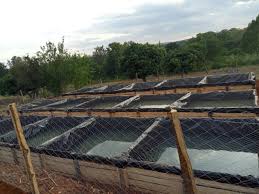
Starting a fish farming system in Kenya is a profitable venture if done correctly. Proper planning, pond construction, stocking, and management practices ensure high survival rates, good growth, and sustainable yields. Cougar Nets provides high-quality aquaculture supplies, including Fish Pond Cover Nets, Aerator Pumps, and predator-proof nets that are essential for modern fish farming in East African climates.
This step-by-step guide helps farmers in Kenya, Uganda, Tanzania, and surrounding regions set up efficient, safe, and productive fish farming systems.
H2: Step 1 – Choosing the Right Fish Farming System
Different systems suit different goals, budgets, and locations:
| System Type | Advantages | Recommended Use | Notes |
|---|---|---|---|
| Earthen Ponds | Low cost, natural environment | Large-scale production | Suitable in regions with stable water sources |
| Concrete Ponds | Durable, easy to manage | Urban or commercial farms | Requires higher initial investment |
| Floating Cages | Uses existing water bodies | Lakes and rivers | Ideal for tilapia in Lake Victoria region |
| Recirculating Systems | Controlled environment, high density | Urban or small-scale farms | High tech; requires electricity and aeration |
Cougar Nets’ Circular Fish Cages are ideal for lakes and rivers, allowing easy water flow and predator protection.
H2: Step 2 – Selecting the Right Location
Consider the following factors when choosing a site:
-
Water Availability: Consistent freshwater source (river, borehole, or rainwater).
-
Soil Type: Clay soils hold water better for earthen ponds.
-
Accessibility: Easy access for feeding, monitoring, and harvesting.
-
Sunlight Exposure: Adequate light for growth but partial shade recommended.
-
Protection from Predators: Birds, stray animals, and poachers.
Location selection reduces operational challenges and supports optimal fish health.
H2: Step 3 – Pond Construction and Preparation
Earthen Ponds:
-
Excavate the pond with depth 1.2–2 meters.
-
Construct dykes or embankments.
-
Line pond edges with durable materials if needed to reduce erosion.
Concrete Ponds:
-
Lay reinforced concrete walls and floors.
-
Install drainage and water inlet/outlet channels.
-
Smooth surfaces to prevent fish injuries.
Pond Preparation:
-
Drain and dry ponds before stocking.
-
Apply lime to stabilize pH and reduce pathogens.
-
Fill ponds and test water parameters.
Pair your pond with Fish Pond Cover Nets for predator protection and debris control.
H2: Step 4 – Selecting Fish Species
Choose species based on market demand, water conditions, and farming system:
| Species | Ideal System | Growth Period | Notes |
|---|---|---|---|
| Tilapia | Earthen ponds, cages | 6–9 months | Hardy, fast-growing, high demand in Kenya |
| Catfish | Earthen or concrete ponds | 9–12 months | Bottom feeders, tolerant to low oxygen |
| Nile Perch | Floating cages | 12–18 months | Suitable for large lakes like Victoria |
| Trout | Flowing or recirculating systems | 8–12 months | Cold water species, requires high oxygen |
Cougar Nets’ protective nets reduce escape and predator risks, ensuring optimal survival rates for stocked species.
H2: Step 5 – Installing Protective and Supportive Equipment
Key supplies improve fish safety and water quality:
| Equipment | Function | Recommended Product |
|---|---|---|
| Fish Pond Cover Nets | Prevent escapes, shade, debris control | Fish Pond Cover Net 33m × 14m |
| Aerator Pumps | Maintain oxygen levels | Aerator Pump |
| Predator Nets | Protect fish from birds and animals | Anti-Bird Net 30m × 5m |
| Trellis Nets | Structural support for pond covers | Trellis Net |
Correct installation ensures optimal water circulation, fish containment, and reduced stress.
H2: Step 6 – Stocking and Feeding
Stocking:
-
Calculate stocking density based on species and pond size.
-
Acclimate fish to pond water gradually.
-
Monitor water parameters during first days.
Feeding:
-
Use quality feed appropriate for species and size.
-
Feed small amounts 2–3 times daily.
-
Avoid overfeeding to maintain water quality.
Using aerators and pond cover nets supports optimal feeding behavior and reduces losses.
H2: Step 7 – Monitoring Water Quality and Fish Health
Regular monitoring prevents disease and maximizes yield:
| Parameter | Recommended Range | Monitoring Frequency |
|---|---|---|
| Dissolved Oxygen | 5–7 mg/L | Daily |
| pH | 6.5–8.5 | Weekly |
| Temperature | Species-specific | Daily |
| Ammonia | <0.02 mg/L | Weekly |
| Nitrite | <0.1 mg/L | Weekly |
Coupling monitoring with Aerator Pumps and predator-proof nets reduces mortality and stress.
H2: Step 8 – Harvesting and Maintenance
Harvesting:
-
Use nets to safely capture fish.
-
Schedule harvest based on growth targets and market demand.
Maintenance:
-
Clean nets and aerators regularly.
-
Inspect pond structures for leaks or damages.
-
Rotate or replace worn nets to maintain protection.
Proper maintenance ensures long-term productivity and profitability.
H2: Regional Considerations in Kenya
| Region | Key Consideration | Recommended Equipment |
|---|---|---|
| Nairobi & Eldoret | High UV exposure | UV-stable HDPE pond nets |
| Kisumu & Western Kenya | Humid and rainy | PVC-coated nets and predator-proof covers |
| Coastal Areas | Saltwater corrosion | Salt-resistant HDPE nets and corrosion-proof aerators |
Using regionally suitable equipment increases durability and ensures consistent yield.
Start Your Fish Farming System Today!
Set up a productive, safe, and sustainable fish farm with premium aquaculture supplies from Cougar Nets. From pond nets to aerator pumps, our solutions are designed for Kenyan conditions and maximum yield.
Nationwide & East Africa Delivery Available:
-
Durable HDPE and PVC-coated pond nets
-
Aerator pumps and predator-proof solutions
-
Expert guidance and professional installation advice
-
Serving Kenya (Nairobi, Eldoret, Kisumu), Uganda, Tanzania, Rwanda, South Sudan, Ethiopia
Contact Us for a Quote:
-
Email: sales@cougarnets.com | info@cougarnets.com
-
Phone: +254 706 903 465
-
Visit Us: Darosa Plaza, Karen Rd, Nairobi
-
Website: https://cougarnets.co.ke/